

Choosing the best Garmin watch can mean deciding which features matter more: running guidance, battery life, display style, or a color that suits daily wear. This guide compares two color options of the Forerunner 165 and explains which listed features matter for training, recovery, and smartphone-connected use.

Pros
- Built-in GPS for running pace and distance
- Adaptive workout and race training suggestions
- AMOLED display with traditional button controls
- More than 25 activity profiles
Cons
- Who should skip it: runners wanting phone-independent connected features
- Some features require a compatible smartphone or supported payment network

Pros
- Built-in GPS and wrist-based heart rate
- Adaptive workout and recovery guidance
- AMOLED touchscreen with button controls
- More than 25 activity profiles
Cons
- Smart notifications require a paired smartphone
- Who should skip it: buyers seeking phone-free safety messaging
The Best Garmin Watches by Use Case
Both listings describe the 43 mm Garmin Forerunner 165 with the same core running, training, recovery, and smart-notification features. The published information does not establish a feature difference between the black and Whitestone versions. The distinctions below are therefore about supported use cases and color preference, not different performance claims.
Best for Guided Running: Garmin Forerunner® 165, Running Smartwatch, 43mm
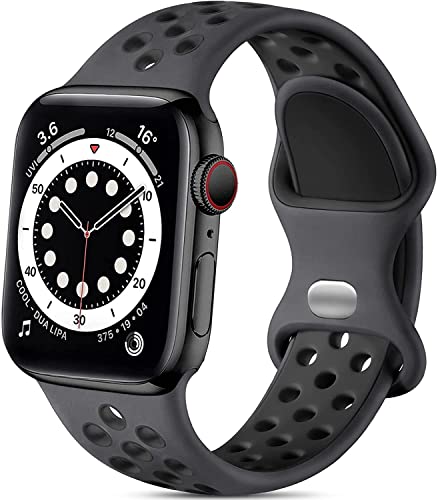
The black Garmin Forerunner® 165, Running Smartwatch, 43mm suits runners who want built-in GPS and structured workout guidance in one watch. Its listing specifies daily suggested workouts that adapt to performance and recovery, plus Garmin Coach and race-adaptive plans for event preparation. The listing also specifies a 43 mm case, an AMOLED touchscreen, traditional button controls, and up to 11 days in smartwatch mode.
Reasons to buy:
- Built-in GPS records pace and distance for outdoor runs.
- Garmin Coach and adaptive plans provide workout suggestions for specific events.
- Button controls supplement the touchscreen, giving you two ways to navigate.
Reasons to avoid:
- The listing gives up to 19 hours in GPS mode, so buyers planning longer outings should compare that claim with their expected recording time.
- Incident detection and Assistance need a compatible paired smartphone, setup, and available network connectivity.
Skip it if you want a watch whose listed features include independent emergency messaging without a paired smartphone.
Best for Workout Variety: Garmin Forerunner® 165, Running Smartwatch, 43mm
The black Garmin Forerunner® 165, Running Smartwatch, 43mm is also a reasonable fit if your routine mixes running with other activities. Garmin lists more than 25 built-in activity profiles, including cycling, HIIT, and strength, alongside running. This broader activity selection may suit someone who wants workout tracking across varied sessions rather than a run-only device.
Reasons to buy:
- More than 25 activity profiles cover several common exercise types.
- Wrist-based heart rate is listed alongside built-in GPS.
- Training Effect labels describe the primary benefit of a workout, according to the product information.
Reasons to avoid:
- The listing does not specify a water-resistance rating, so verify suitability for your intended activities before buying.
- Activity profiles do not establish that every activity gets identical tracking details; check the Garmin feature information for the specific workout you care about.
Skip it if you need a stated water-resistance rating or a feature list tailored to a specialized sport not named in the published details.
Best for Recovery-Aware Schedules: Garmin Forerunner® 165, Running Smartwatch, 43mm
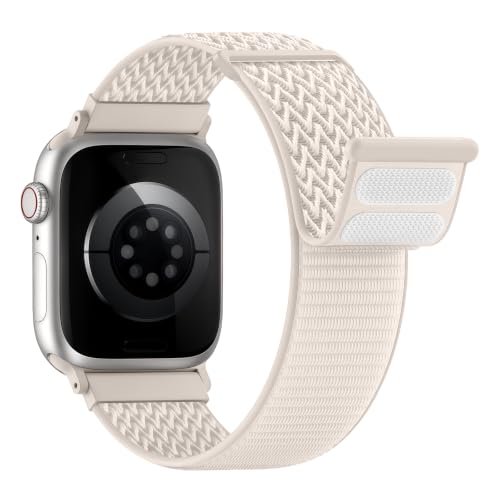
The Whitestone Garmin Forerunner® 165, Running Smartwatch, 43mm fits runners who want recovery information alongside training prompts. Its morning report brings together sleep, recovery, training outlook, weather, and HRV status, while the recovery-time feature estimates how long to wait before another high-effort workout. Garmin describes the tracked data as close estimations, so treat these readouts as guidance rather than medical measurements.
Reasons to buy:
- The morning report combines several listed daily summaries in one view.
- Recovery time gives a suggested interval before another high-effort session.
- Daily suggested workouts adapt based on performance and recovery, according to the listing.
Reasons to avoid:
- Garmin states that tracked data is intended as a close estimation, not a guaranteed measure.
- The published details do not provide independent accuracy figures for sleep, HRV, or heart-rate readings.
Skip it if you need clinically validated health readings or medical monitoring, which the published product information does not claim.
Best for a Light-Colored Look: Garmin Forerunner® 165, Running Smartwatch, 43mm
The Whitestone Garmin Forerunner® 165, Running Smartwatch, 43mm gives buyers a light-colored alternative while retaining the feature set described for the black version. It has the same listed 43 mm size, AMOLED touchscreen, button controls, GPS, training tools, and battery claims. Choose it for the listed color preference, not for a different training capability.
Reasons to buy:
- Whitestone offers a distinct color option within the published comparison.
- The listed training and activity features cover running and more than 25 activity profiles.
- Smart notifications work with a paired Android or Apple smartphone, according to the listing.
Reasons to avoid:
- The published information does not indicate that Whitestone has different sensors, battery life, or software from black.
- Phone notifications and safety features depend on pairing and, for assistance features, network availability.
Skip it if color does not matter to you and you would rather choose solely by another verified feature or listing detail.
How to Choose the Best Garmin Watch for Your Needs
GPS use and training guidance
Built-in GPS matters if you want to record outdoor distance and pace without relying on a phone for those measurements. Both Forerunner 165 listings specify GPS for pace, distance, and speed. For planned races, Garmin Coach and race-adaptive plans may be useful because they provide workout suggestions for specific events; check that the available plan matches your event and training preferences.
The product data does not state GPS accuracy, satellite support, or how recording settings affect battery life. If your routes are long or you need particular mapping features, look for those details in the full product listing rather than assuming they are included.
Display and physical controls
The listed AMOLED touchscreen provides a vivid display type, while traditional buttons offer another way to control the watch. That combination can suit buyers who prefer touch for menus but want physical controls available during workouts. The published information does not state display resolution, brightness, or always-on behavior, so do not infer those details from the AMOLED label alone.
The 43 mm size and lightweight design are listed for both colorways. Consider how a 43 mm watch will sit on your wrist and whether you prefer a black or Whitestone finish. No weight or case-material detail was supplied, so check the live product listing if either is important to comfort or appearance.
Battery claims and your recording routine
Garmin lists up to 11 days in smartwatch mode and up to 19 hours in GPS mode. These are separate maximum-use claims, not a promise that every user will reach either figure. Frequent GPS recording, notifications, and personal settings may affect how often you charge, but the published information does not quantify those effects.
Compare the GPS-mode figure with your typical run or event length, leaving room for your preferred settings. If you need longer continuous GPS recording than the listing states, consider whether a different model better matches that requirement.
Phone compatibility and connected safety features
The listing specifies smart notifications from paired Android or Apple smartphones. It does not provide operating-system version requirements or a detailed list of supported phone functions, so check Garmin’s current compatibility information for your exact phone before purchase. Notification support should not be taken to mean that every phone feature works the same way on both platforms.
Incident detection during select outdoor activities and Assistance can send a live location message to emergency contacts, but the listing says setup and a compatible smartphone are required. Network coverage and data connectivity must also be available. If you expect to use these features, confirm setup steps and contact requirements before relying on them.
Activity profiles and recovery summaries
More than 25 listed activity profiles include running, cycling, HIIT, and strength. That makes the Forerunner 165 more relevant to mixed routines than a watch whose listed focus is only running. Still, the published details do not describe every profile’s tracked fields, so check the individual activity support if a specific sport is central to your decision.
The morning report, HRV status, sleep information, Training Effect, and recovery time provide context for training decisions. Garmin characterizes tracked data as close estimations. Use these features as informational summaries, not as substitutes for medical advice or verified health measurements.
How We Compared
This comparison uses the published product listings, including their stated display, GPS, battery, activity, training, recovery, phone-notification, and safety features. The two entries identify different colors of the same named 43 mm model, and the published information does not establish a technical advantage for either one. No customer feedback was supplied, so this guide does not make claims about owner consensus or long-term reliability.
For more activity-specific context, see our guide to Garmin watches for running. You can also browse the broader smartwatch category or explore our wearables coverage.
Frequently Asked Questions
Do the black and Whitestone Garmin Forerunner 165 models have different features?
The published listings describe the same core specifications and features for both colors. They identify black and Whitestone finishes, but do not establish a difference in GPS, battery claims, sensors, training tools, or phone compatibility.
Can I use the Forerunner 165 without carrying my phone on a run?
The listings specify built-in GPS for pace, distance, and speed, so the watch has GPS for recording those run details. Smart notifications need a paired smartphone, and Assistance and incident detection also require a compatible phone and network connectivity. The published details do not describe every phone-free feature, so verify any additional requirement with Garmin.
Does the Forerunner 165 work with iPhone and Android phones?
The listings say smart notifications are available when paired with a compatible Android or Apple smartphone. They do not specify operating-system versions or guarantee identical functions across platforms. Check current compatibility details for your phone model before buying.
Is the listed battery life enough for long runs?
Garmin lists up to 19 hours in GPS mode, but the phrase “up to” describes a maximum claim rather than a guaranteed result for every setting or user. Compare that figure with your expected recording time and check current product details if you need a larger margin.
Can I use this watch for activities beyond running?
Yes, the listing names more than 25 activity profiles, including cycling, HIIT, and strength. It does not state that every sport has the same tracking options. Confirm that the watch supports the specific activity and data fields you want.
Can the recovery and HRV information diagnose a health problem?
No such capability is stated in the published details. Garmin describes tracked data as intended to be a close estimation of the metrics, so treat it as general wellness and training information, not a diagnosis or substitute for professional medical guidance.




Write Your Review
No reviews yet. Be the first to share your experience!