

Smoke alarms differ in what they detect, how they connect, and whether they can send alerts when you are away. The Best Smart Smoke Detector for your home depends on whether you need carbon monoxide detection, app notifications, a battery-powered setup, or a way to connect existing alarms.
This guide compares smart alarms, conventional battery-powered models, and a listener that reports when an existing alarm sounds. Check local fire-safety requirements and your alarm’s age before replacing or adding equipment. For more home-safety topics, see our Home Safety category.
Pros
- Smoke and CO detection in one unit
- Remote alerts require no subscription
- Wireless interconnection with hardwired alarms
- Alexa notification support
Cons
- 24/7 monitoring requires separate subscription
- Skip if you do not want Ring app alerts

Pros
- No-wiring, AA battery operation
- Audible and visual alerts
- Compact 4-inch design
Cons
- One detector per pack
- Who should skip it: buyers needing multiple detectors in one pack

Pros
- Smoke and carbon monoxide detection
- Voice alerts identify hazard
- Two AA batteries included
- Audible alarm and red LED
Cons
- Requires battery replacement over time
- Skip it if you need hardwired power
Pros
- No tools or wiring required
- No base station required
- Alerts can reach you away from home
Cons
- Does not detect smoke or carbon monoxide
- Requires Amazon Sidewalk, with coverage that may vary
- Skip if you need a standalone smoke or CO detector

Pros
- Detects smoke and carbon monoxide
- No-wiring installation
- Two AA batteries included
- Audible and visual alerts
Cons
- Battery-powered design requires battery upkeep
- Who should skip it: buyers who need a hardwired detector
Pros
- Smoke and CO detection
- Two included AA alkaline batteries
- Ring alerts without subscription
- Wireless interconnect capability
Cons
- Battery-powered, not hardwired
- Skip it if you need hardwired power
Pros
- Detects smoke and carbon monoxide
- Remote alerts and phone-based hush
- AA battery backup
- Voice alerts
Cons
- Requires 2.4 GHz Wi-Fi for setup
- Who should skip it: households seeking a non-smart detector
Pros
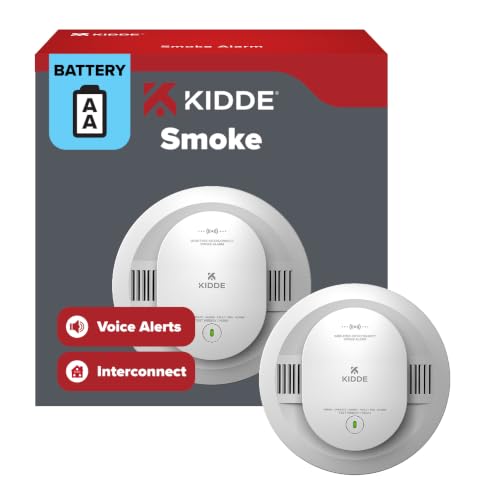
- No wiring required
- Two AA batteries included
- Connects with up to 12 compatible alarms
Cons
- Interconnection limited to compatible Kidde alarms
- Who should skip it: buyers requiring hardwired installation

Pros
- Ring app smoke and low-battery alerts
- No wiring required
- Wireless interconnectivity
- Smoke and carbon monoxide detection
Cons
- Skip it if you need a hardwired detector

Pros
- Smoke and carbon monoxide detection in one alarm
- No wiring required
- Voice alerts name detected hazard
- Interconnects with up to 12 compatible alarms
Cons
- Skip if you need interconnection with non-compatible alarms
The Best Smart Smoke Detectors by Use Case
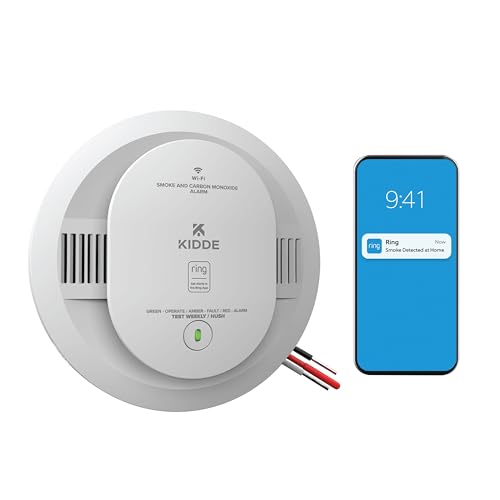
Best for Hardwired Homes: Kidde Smart Smoke & CO Detector with Ring
The hardwired Home Appliances option suits homes with compatible wired alarms where one connected unit can provide mobile alerts for every hardwired alarm, according to the manufacturer. Kidde Smart Smoke & CO Detector with Ring detects smoke and carbon monoxide, sends Ring app alerts without a subscription, and includes AA battery backup. Its listing also specifies voice alerts and Alexa notifications.
Reasons to buy:
- Provides smoke and carbon monoxide detection in one alarm.
- Can notify you about alarms and low battery when you are away.
- One smart unit can provide mobile alerts for hardwired alarms throughout the home, subject to the user guide.
Reasons to avoid:
- Hardwired installation may not suit renters or homes without compatible wiring.
- Optional 24/7 Ring monitoring costs extra and requires a subscription.
Skip it if you need a no-wiring alarm or do not use the Ring app.
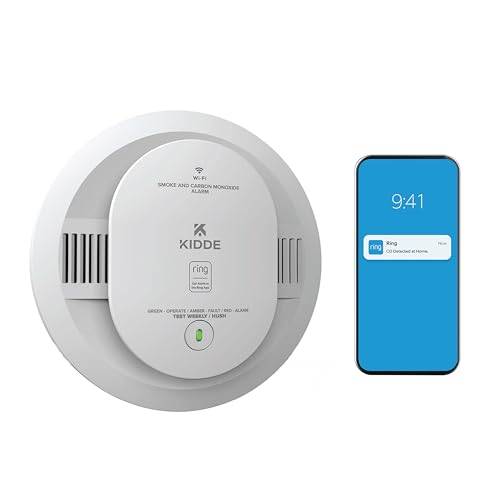
Best for Wireless Smart Alerts: Kidde Smart Smoke & CO Detector with Ring
For a home without alarm wiring, the battery-powered Kidde Smart Smoke & CO Detector with Ring pairs smoke and carbon monoxide detection with Ring app notifications. The listing says it runs on two included AA batteries and supports wireless interconnectivity, so compatible connected alarms can sound together. Ring alerts do not require a subscription, though optional professional monitoring does.
Reasons to buy:
- Battery operation avoids hardwiring.
- Reports smoke, carbon monoxide, and low-battery alerts in the Ring app.
- Wireless interconnect can link compatible alarms, as described in the user guide.
Reasons to avoid:
- It depends on Ring app connectivity for remote phone alerts.
- It does not offer the Alexa feature listed for the hardwired variant.
Skip it if you want only a local alarm and do not need app notifications.
Best for Clear Hazard Identification: Kidde Smoke & CO Detector, AA Battery-Powered
This standalone alarm suits buyers who want spoken hazard identification without app-based features. Kidde Smoke & CO Detector, AA Battery-Powered uses two included AA batteries and announces “Fire” for smoke or “Warning, Carbon Monoxide” for CO. The listing specifies an 85-decibel alarm, LED status light, and a 10-year limited warranty starting from purchase.
Reasons to buy:
- Voice messages distinguish between smoke and carbon monoxide alerts.
- Detects both hazards without wiring or an app setup.
- The listing names UL 217 10th Edition, UL 2034 5th Edition, and FCC standards.
Reasons to avoid:
- It does not provide the remote app alerts included with the Ring models.
- The published details do not specify wireless interconnect capability for this model.
Skip it if you need phone notifications or alarms that communicate wirelessly with other units.
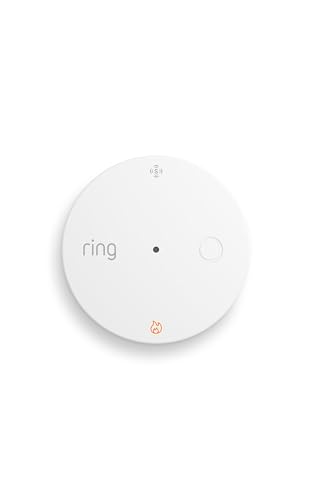
Best for Existing Alarms: Ring Smoke & CO Listener
If your current smoke and CO alarms still meet applicable requirements, Ring Smoke & CO Listener can send phone notifications when they sound. It mounts near an existing alarm, within 6 inches, and does not need a base station or wiring. This is a listener, not a detector: it does not sense smoke, fire, or carbon monoxide itself.
Reasons to buy:
- Adds remote notifications without replacing an existing alarm.
- Mounts near an alarm without tools or wiring, according to the manufacturer.
- Works without a base station, using Amazon Sidewalk.
Reasons to avoid:
- Amazon Sidewalk is required, and coverage may vary.
- The product does not detect hazards; the existing alarm must remain functional and compliant.
Skip it if you need a new smoke or carbon monoxide detector rather than an accessory for existing alarms.
Best for Wireless Alarm-to-Alarm Alerts: Kidde Smoke & Carbon Monoxide Detector
For renovations, lofts, or other areas where wiring is inconvenient, Kidde Smoke & Carbon Monoxide Detector combines smoke and CO detection with battery power and wire-free interconnect. The listing says it can connect with up to 12 compatible alarms, with all connected units sounding when one detects danger. Voice messages identify “Fire” or “Warning, Carbon Monoxide.”
Reasons to buy:
- Provides both smoke and carbon monoxide detection.
- Wire-free interconnect supports up to 12 compatible alarms, according to the manufacturer.
- Voice alerts identify which hazard the unit detects.
Reasons to avoid:
- The listing does not specify Ring app notifications for this model.
- Confirm that existing alarms are compatible before planning an interconnected system.
Skip it if remote app alerts matter more than local alarm interconnection.
Best for a Compact Smoke-Only Alarm: Kidde Compact Smoke Detector, AA Battery-Powered
Buyers who need smoke detection in a small space and do not need CO coverage can consider Kidde Compact Smoke Detector, AA Battery-Powered. Its 4-inch design uses two included AA batteries, and the listing specifies an 85-decibel alarm and LED warning light. This is a conventional alarm rather than a connected device, making it a simpler fit when remote notifications are not a priority.
Reasons to buy:
- Compact 4-inch form is intended for homes and small spaces.
- Battery operation avoids wiring.
- The listing specifies UL 217 10th Edition and FCC compliance, plus a 10-year limited warranty from purchase.
Reasons to avoid:
- Detects smoke only, not carbon monoxide.
- Does not include app notifications or interconnect features in the published details.
Skip it if you want a smart alarm, CO detection, or voice alerts.
Also Considered
Kidde Smoke & Carbon Monoxide Detector may suit buyers who want a battery-powered, standalone smoke and CO alarm with LED alerts, but its listing does not specify spoken hazard messages or app connectivity.
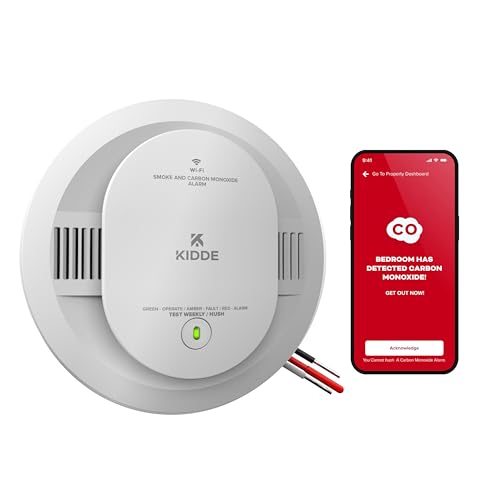
Kidde Hardwired Kidde App Enabled Smart Smoke could fit homes seeking Kidde app alerts, phone-based hush, and hardwired whole-home connectivity; check its app and wiring requirements before choosing it over the Ring options.
Kidde Smoke Detector, AA Battery-Powered suits buyers who want a smoke-only alarm with voice alerts and wire-free interconnect for up to 12 compatible alarms, but it does not add CO detection.
Kidde Smart Smoke Detector with Ring, AA Battery is a smoke-only Ring-connected option with app alerts and wireless interconnect, but buyers needing carbon monoxide detection should choose a combo model instead.
How to Choose the Best Smart Smoke Detector
Decide whether you need smoke detection, CO detection, or both
Smoke-only alarms and combo smoke-and-CO alarms serve different jobs. A combo model can cover both hazards at one location, while a smoke-only device may be enough when CO alarms are already installed separately. Check the product name and specifications carefully: the Ring AA model listed as smoke-only does not offer the same detection as the Ring combo unit.
Match power and installation to your home
Hardwired alarms can fit homes with compatible existing wiring, while AA-powered models avoid a wiring connection. A battery alarm may be easier to place in a rental or renovated area, but check the instructions and local requirements before changing alarm locations. For hardwired replacements, verify the connector and installation requirements with the product documentation or a qualified installer.
Separate local alarms from remote notifications
A loud alarm alerts people nearby; a connected app can also notify you when you are away. Ring models offer app notifications without requiring a subscription for those alerts, while optional 24/7 monitoring is a separate paid service. The Ring Smoke & CO Listener reports that an existing alarm has sounded, but it cannot replace the detector itself. Confirm what internet, app, or network service a product needs before buying.
Check ecosystem and interconnect compatibility
Smart-home support varies by model. The published details identify Alexa notifications for the hardwired Ring combo and smoke-only Ring model, but do not establish broad compatibility with other smart-home platforms. Wireless interconnect also depends on compatible alarms; do not assume that alarms from different lines or brands will communicate. Check the user guide for supported models and maximum connected units.
Verify standards, warranty, and replacement needs
Listings identify different standards by model, including UL 217 for smoke alarms and UL 2034 for CO alarms. Compare the exact model’s listed standards rather than transferring a certification from a similar product. Warranty periods and starting dates can also differ. Before buying, check your local rules, the alarm’s expiration or replacement guidance, and whether your existing units must remain in service during installation.
How We Compared
This comparison uses the published product listings, including their stated detection types, power sources, alert methods, interconnect features, compatibility notes, standards, and warranty details. We distinguish detector alarms from accessories that relay alerts, and weigh each option against practical needs such as wired installation, remote notifications, spoken hazard messages, and CO coverage. Where the published details do not establish compatibility or a feature, the guide recommends checking the product documentation rather than assuming it.
Frequently Asked Questions
Do smart smoke detectors need a subscription?
Not always. The listed Kidde Ring models provide app notifications without a subscription. Optional Ring professional monitoring is separate and requires a paid subscription. Check which alerts are included and which services cost extra before choosing.
Can a Ring Smoke & CO Listener replace an alarm?
No. The Listener does not detect smoke, fire, or carbon monoxide. It reports when a nearby existing alarm sounds, so a functioning, appropriately maintained detector must remain in place.
Should I choose a smoke-only alarm or a smoke-and-CO combo?
Choose based on what your home already covers and what local requirements call for. A combo unit detects both hazards at its location; a smoke-only model does not detect carbon monoxide. Do not assume one alarm covers every floor or required placement.
Will battery-powered Kidde alarms interconnect with any alarm?
No universal compatibility is established by the published details. Some models specify wire-free interconnect and list a maximum of 12 compatible alarms, but you should confirm model compatibility in the user guide before building a connected group.
Can I install a hardwired smart alarm in a rental?
That depends on the existing wiring, the alarm connection, your lease, and local rules. Ask the property owner or manager before changing a hardwired alarm. If an approved no-wiring option better fits your home, compare battery-powered models and follow their installation instructions.


Write Your Review
No reviews yet. Be the first to share your experience!