

Espresso machines in this category range from compact models that depend on a separate grinder to all-in-one systems that grind and froth for you. That choice affects counter space, daily steps, and how much control you have over each drink.
This Best Espresso Machine Under $500 guide compares machines by brewing approach, grinder setup, milk preparation, and drink options. Use it to find a setup that suits your coffee habits, and check product listings for any details not included in the published specifications.

Pros
- Adjustable automatic milk texturing
- Compact 7.7-inch width
- PID temperature regulation
- Two-cup setting
Cons
- Skip if you want a fully automatic machine

Pros
- Adjustable automatic milk texturing
- PID temperature control
- Compact 7.5-inch width
- 1- or 2-cup settings
Cons
- Built-in grinder not specified
- Who should skip it: buyers who need a specified built-in grinder

Pros
- Automatic milk texturing with adjustable settings
- PID temperature control
- Compact 14.25 x 7.5 x 12-inch dimensions
Cons
- Skip it if you want fully automatic coffee

Pros
- Compact 7.6-inch width
- Adjustable automatic milk texturing
- Three-second claimed heat-up
- PID temperature regulation
Cons
- Who should skip it: buyers wanting fully automatic espresso

Pros
- Espresso and drip coffee options
- Built-in burr grinder and precision scale
- Hands-free frothing for dairy or plant-based milk
Cons
- Skip if you prefer a simpler, grinder-free brewer

Pros
- Hot and cold extraction modes
- Adjustable shot settings and dual displays
- Swivel stainless steel steam wand
- Removable 57-ounce water tank
Cons
- Needs fine grinding and firm tamping for better extraction
- Skip if you want fully automatic brewing

Pros
- Espresso and drip brewing in one machine
- Built-in burr grinder and precision scale
- Automatic frothing for dairy or plant-based milk
- Compact design, 10.1 x 12.2 x 13.4 inches
Cons
- Who should skip it: buyers seeking only a basic drip maker

Pros
- Built-in grinder and assisted brewing steps
- Manual milk-texture control with steam wand
- Removable 61-ounce water tank
Cons
- Steam wand requires manual milk frothing
- Skip it if you want automatic milk frothing

Pros
- Espresso and drip coffee in one machine
- Integrated grinder and precision scale
- Supports hot and iced drip coffee
- Adjustable manual milk steaming
Cons
- Milk frothing requires manual control
- Skip it if you want automatic milk frothing
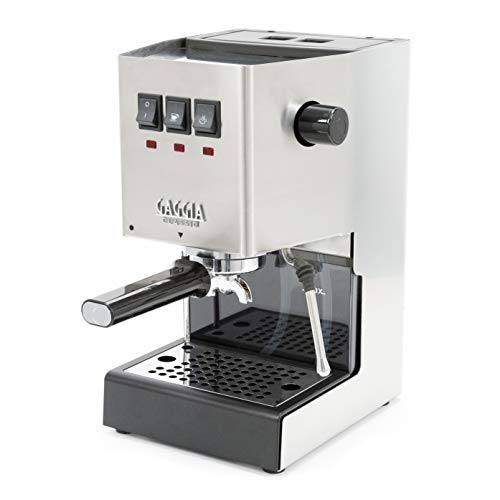
Pros
- 58mm stainless steel portafilter
- Commercial steam wand
- Solid steel housing
Cons
- Who should skip it: buyers seeking automatic espresso operation
The Best Espresso Machines by Use Case
Best for Automatic Milk Frothing: Breville BES500BST Bambino Plus Espresso Machine
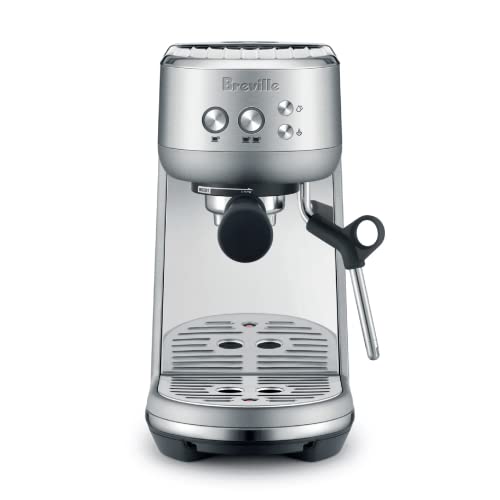
The Breville BES500BST Bambino Plus Espresso Machine suits espresso drinkers who want guided milk preparation without adding a built-in grinder to the machine. Its automatic steam wand lets you adjust milk temperature and texture, while PID temperature control and low-pressure pre-infusion support a more controlled brewing routine. The listing specifies a 54 mm portafilter with a 19-gram dose and a 3-second ThermoJet heat-up claim.
Reasons to buy:
- Automatic steam wand offers adjustable milk temperature and texture.
- PID temperature control and low-pressure pre-infusion provide brewing controls.
- At 7.7 inches wide, the listing describes a compact footprint.
Reasons to avoid:
- The published features do not list a built-in grinder, so plan for a separate grinder or suitable ground coffee.
- The automatic wand gives less direct milk-texturing practice than a manual wand.
Skip it if you want one appliance to grind beans and brew espresso.
Best for Espresso and Drip Coffee: Ninja Luxe Café Mini Plus with AutoFroth
The Ninja Luxe Café Mini Plus with AutoFroth fits households that switch between espresso-style drinks and drip coffee. Its listing specifies an integrated conical burr grinder, weight-based dosing, and automatic frothing, alongside hot or iced drip coffee options. Barista Assist is described as calibrating grind size, dose, temperature, and pressure, which may reduce the number of settings a new user must adjust manually.
Reasons to buy:
- Combines espresso-style drinks with hot or iced drip coffee.
- Integrated grinder and built-in scale handle grinding and dose measurement in one appliance.
- Hands-free frothing offers steamed, thin, or thick milk textures, including for plant-based milk according to the listing.
Reasons to avoid:
- Its assisted controls offer less direct control than a traditional manual espresso workflow.
- Buyers who want to practice steaming milk themselves may prefer a manual wand.
Skip it if drip coffee is unnecessary and you prefer a separate, manual espresso setup.
Best for Adjustable Brewing Controls: Gemilai G3006A Espresso Machine
The Gemilai G3006A Espresso Machine is aimed at users who want to change brewing settings and monitor a shot as it runs. Its dual display shows pressure, temperature, and extraction time, and the touchscreen adjusts brewing temperature, pre-infusion duration, and brewing time. The listing also describes hot and cold extraction, a manual steam wand, and a removable 57-ounce water tank.
Reasons to buy:
- Adjustable temperature, pre-infusion, and brewing-time settings support experimentation.
- Displays brewing information during extraction.
- Offers a swivel steam wand and hot or cold coffee preparation.
Reasons to avoid:
- The published features do not list a built-in grinder, so account for grinding separately.
- More adjustable settings may take longer to learn than a machine built around guided controls.
Skip it if you want the machine to make brewing decisions with minimal input.
Best for a Commercial-Style Portafilter: Gaggia RI9380/46 E24 Espresso Machine
The Gaggia RI9380/46 E24 Espresso Machine may suit buyers who want a straightforward, hands-on espresso workflow. Its listed features include a stainless steel 58 mm commercial portafilter, a commercial steam wand, a three-way solenoid valve, and 9-bar espresso extraction. Those details make it a distinct option for shoppers who value traditional espresso components over built-in grinding or automatic milk frothing.
Reasons to buy:
- 58 mm stainless steel portafilter and 9-bar extraction are specified.
- Commercial steam wand gives you direct control over milk frothing.
- Three-way solenoid valve is included among the listed features.
Reasons to avoid:
- The published information does not specify a grinder or automatic milk frothing.
- The listing provides fewer operating details than the models with documented displays and adjustable settings.
Skip it if you want a grinder and automatic drink assistance built into one machine.
Best for Assisted Bean-to-Cup Steps: BYESHOP Automatic Espresso Machine with Grinder
The BYESHOP Automatic Espresso Machine with Grinder is designed for buyers who want grinding and several brewing steps coordinated by the machine. The listing says it automatically grinds, tamps, and moves grounds into brewing position, with barista-assist controls for dose, temperature, and pressure. It also lists a built-in steam wand, touch controls, a removable 61-ounce water tank, and a 3.5-ounce bean hopper.
Reasons to buy:
- Automates grinding, tamping, and positioning according to the product listing.
- Built-in grinder and steam wand support a bean-to-cup routine.
- Removable water tank and detachable drip tray support everyday refilling and cleaning.
Reasons to avoid:
- The listed bean hopper is 3.5 ounces, so frequent users should consider how often they want to refill it.
- Its 51 mm brewing funnel differs from the Gaggia’s listed 58 mm portafilter.
Skip it if you prefer to control grinding and tamping yourself or want a portafilter size specified as 58 mm.
Also Considered
The Breville BES500BTR Bambino Plus Espresso Machine lists the same supplied core features as the selected Bambino Plus, so consider it if its Black Truffle finish better suits your kitchen.
The Breville BES500DBL Bambino Plus Espresso Machine has the same listed Bambino Plus features, with a Damson Blue finish distinguishing this variant.
The Breville BES500BST Bambino Plus Espresso Machine appears in the primary picks, while the Breville BES500BSS Bambino Plus Espresso Machine lists the same published features in Brushed Stainless Steel.
The Ninja Luxe Café Mini Plus with AutoFroth is another color variant of the Ninja AutoFroth model, with Bone and Champagne identified in its listing.
How to Choose the Best Espresso Machine Under $500
Decide whether you need a grinder
A built-in grinder cuts down on separate equipment and steps, but it also ties your espresso routine to the grinder included with that machine. The Ninja Luxe Café Mini Plus with AutoFroth and BYESHOP model both list integrated grinders. The Breville, Gemilai, and Gaggia product information available here does not list one, so check the current listing and plan for a separate grinder or suitable pre-ground coffee.
Look for a clear description of grind adjustment and dosing, not just the word “grinder.” Ninja lists a conical burr grinder and weight-based dosing; BYESHOP describes automatic grinding and tamping. If you already own a grinder, a machine without a built-in one may fit your setup better and avoid paying for a feature you will not use.
Choose hands-free or manual milk preparation
Automatic frothing can make repeat drinks simpler, while a manual steam wand gives you more direct involvement in texturing milk. Breville specifies an automatic wand with adjustable temperature and texture. Ninja’s AutoFroth model offers hands-free frothing, while the Ninja Luxe Café Mini and the Gemilai and Gaggia models list manual steam wands.
Think about who makes drinks and how often. For several milk drinks with fewer manual steps, an automatic option may be convenient. If learning to steam milk matters to you, choose a manual wand and verify its controls and cleaning instructions in the full product listing.
Match machine controls to your experience
Guided features can lower the number of decisions you make during brewing, but they may offer less hands-on control. Ninja describes Barista Assist as calibrating several settings, and BYESHOP describes assisted grinding, tamping, and brewing. Gemilai instead lists adjustable temperature, pre-infusion, and brewing duration, which may appeal if you want to experiment with shot settings.
Check what the controls actually change. A display showing brewing information is not the same as a setting you can adjust, and a listed pump pressure alone does not explain how the machine manages a shot. Compare the available controls with the amount of setup and experimentation you want to do.
Consider drink range and counter space
If your household drinks drip coffee as well as espresso-style beverages, the Ninja Luxe Café Mini models list both espresso and hot or iced drip coffee. A dedicated espresso machine may suit a narrower routine, but check whether the published information lists every drink type and milk function you need. Avoid assuming that a model supports a particular recipe simply because it is described as a coffee machine.
Counter fit is another practical filter. Breville lists a width of 7.7 inches for its Bambino Plus. For other models, compare the full dimensions, clearance, water-tank access, and space for any separate grinder on the product listing. Compact wording alone does not confirm that a machine will fit beneath your cabinets or beside other appliances.
Check cleanup and the details that are missing
Water-tank access, removable trays, and automatic cleaning functions can affect daily upkeep. Gemilai lists a removable tank and detachable drip tray, while BYESHOP lists a removable tank and detachable tray and frothing nozzle. Breville describes an automatic purge after steaming. Confirm which parts need routine cleaning and whether the listing explains descaling or maintenance before you buy.
Some published product details are limited, especially for the Gaggia. Verify dimensions, included accessories, operating instructions, and any compatibility needs on the current product page rather than assuming that a feature is included. For more coffee equipment context, see our guides to smart coffee grinders, super-automatic espresso machines, and coffee makers.
How We Compared
This comparison draws on the published product specifications, design details, and feature descriptions. We focused on the differences most likely to shape everyday use: grinder inclusion, milk preparation, brewing controls, drink range, footprint information, and cleaning-related details. The published data includes no usable customer feedback, so the recommendations rely on listed features and avoid claims about long-term reliability or real-world results.
Frequently Asked Questions
Do these espresso machines all include a grinder?
No. Ninja’s Luxe Café Mini models and the BYESHOP model list built-in grinders. The published features for Breville Bambino Plus, Gemilai G3006A, and Gaggia E24 do not specify an integrated grinder. Check the product page for the exact model you plan to buy, and account for a separate grinder if needed.
Which type is easier if I am new to espresso?
Machines with guided settings and automatic milk preparation can reduce some manual steps. Ninja describes Barista Assist and automatic frothing on its AutoFroth model, while BYESHOP describes assisted grinding and tamping. Ease still depends on your routine, so compare cleaning steps and controls rather than relying on beginner-friendly wording alone.
Can these machines make drip coffee as well as espresso?
The supplied Ninja Luxe Café Mini listings specify espresso-style drinks and hot or iced drip coffee. The other models in this comparison are described around espresso and related drinks, and their published features do not establish a drip-coffee mode. Check the model’s listed brew options if drip coffee is important to your household.
What is the difference between an automatic and manual steam wand?
An automatic frothing feature handles milk preparation using its available settings, which can reduce the number of steps you perform. A manual wand gives you direct control over steaming. Breville lists an automatic wand, Ninja offers an automatic-frothing model and a separate manual-wand model, and Gemilai and Gaggia list manual steam wands.
Does a higher listed pump-pressure number mean better espresso?
Not by itself. The Gaggia listing specifies 9-bar extraction, while other product listings describe pump ratings or pressure controls. Those figures do not, on their own, establish cup quality. Consider the complete brewing approach, available controls, grinder setup, and the details provided for the model.
Should I choose the Breville Bambino Plus or a Ninja Luxe Café Mini?
Consider the Breville if its compact listed width, PID temperature control, and adjustable automatic milk wand fit your routine, and you are prepared to handle grinding separately. Consider a Ninja Luxe Café Mini if you want an integrated grinder and both espresso-style drinks and drip coffee. Choose the AutoFroth version for hands-free milk preparation, or the manual-wand version if you want to control steaming yourself.






Write Your Review
No reviews yet. Be the first to share your experience!