

Choosing a flagship phone means weighing camera flexibility, screen features, performance, and network support. This guide assesses whether the Nothing Phone (3) suits your priorities, with particular attention to its four 50MP cameras, Glyph interface, and stated carrier limits.
Only one phone was supplied for this guide, so this is a focused evaluation rather than a head-to-head comparison. Check your carrier and preferred features before deciding whether this model fits.

Pros
- Versatile four-camera setup with 50MP sensors
- Bright 120Hz AMOLED screen with IP68 rating
- Generous 512GB internal storage and 16GB RAM
- Snapdragon 8s Gen 4 provides responsive performance
Cons
- Requires manual IMEI whitelisting on Verizon
- Verizon network users should skip this device
The Best Flagship Phones by Use Case
The listed selection contains one device, not several competing models. The sections below examine distinct reasons someone might consider the same phone. They are use-case perspectives, not separate products or rankings against phones that were not provided.
Best for Multiple Camera Views: Nothing Phone (3) Cell Phone
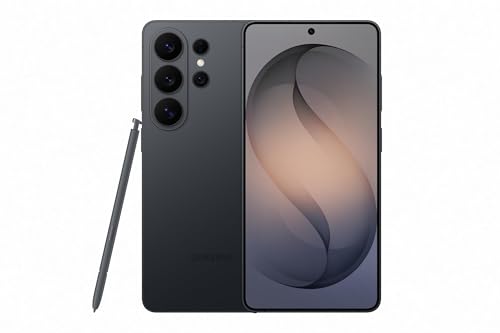
The Nothing Phone (3) Cell Phone lists four 50MP cameras: main, periscope, ultra-wide, and front-facing. That range gives photo and video users several camera types to consider in one phone, while the listing also specifies Ultra XDR 4K video, Night Mode, Portrait Optimiser, and Motion Capture Mode. Camera resolution alone does not establish image quality, so treat the feature list as a set of options rather than proof that every shot will look alike.
Reasons to buy:
- Four listed 50MP cameras cover main, periscope, ultra-wide, and front-facing views.
- Listed modes include Night Mode, Portrait Optimiser, and Motion Capture Mode.
- The listing specifies Ultra XDR 4K video.
Reasons to avoid:
- The listing information does not establish real-world photo quality or performance in different lighting.
- Buyers who need particular camera controls or video formats should confirm those details before purchase.
Skip it if you need independently documented camera results or specific camera capabilities that the listing does not name.
Best for a High-Refresh AMOLED Screen: Nothing Phone (3) Cell Phone
The Nothing Phone (3) Cell Phone lists a 6.67-inch FHD+ 1.5K AMOLED display with a 120Hz adaptive refresh rate and 1.07 billion colors. Those specifications may appeal if you want a large screen for scrolling, video, and everyday apps, and a higher refresh rate can make supported motion appear smoother. The listing also claims up to 4,500 nits of brightness, but that stated figure is not a guarantee of typical viewing brightness in every setting.
Reasons to buy:
- The 6.67-inch AMOLED panel offers a spacious viewing area.
- The listed adaptive refresh rate reaches 120Hz.
- The listing specifies FHD+ 1.5K resolution and 1.07 billion colors.
Reasons to avoid:
- A 6.67-inch screen may feel large if you prefer a compact phone.
- Maximum brightness claims do not show how the display behaves in every lighting condition.
Skip it if you want a small-screen phone or need display measurements beyond the specifications provided.
Best for Glyph Notifications and Quick Captures: Nothing Phone (3) Cell Phone
The Nothing Phone (3) Cell Phone adds a Glyph Matrix described as an interactive light interface for notifications, tools, and games. Its Essential Key has specified actions: press once to capture the screen, long-press to record voice and ideas, and double-press to open Essential Space. This design may suit people who want quick capture controls and visual alerts, though it is a preference-driven feature rather than a substitute for checking the phone’s core functions.
Reasons to buy:
- The listing describes light-based notifications and Glyph tools.
- The Essential Key has distinct single-press, long-press, and double-press actions.
- Essential Space is described as organizing captures and generating suggestions.
Reasons to avoid:
Reasons to avoid:
- The usefulness of Glyph features depends on whether you want visual alerts and related controls.
- The listing information does not detail how long software support will continue.
Skip it if you prefer a conventional notification experience or do not expect to use the Glyph features.
Best for Buyers on Supported AT&T or T-Mobile Bands: Nothing Phone (3) Cell Phone
The Nothing Phone (3) Cell Phone listing names LTE and 5G bands for AT&T and T-Mobile, including 5G band n77 for AT&T and n71 for T-Mobile. It describes Verizon compatibility as limited and says buyers must contact Verizon customer service to have the device’s IMEI whitelisted; it also states that Verizon is not recommended. Carrier band support does not by itself confirm activation, service quality, or support for every carrier feature, so verify the exact model with your provider before switching a SIM.
Reasons to buy:
- The listing provides specific LTE and 5G band information for AT&T and T-Mobile.
- The phone is described as unlocked and supporting 5G.
- Checking carrier support before purchase can help avoid an incompatible-network surprise.
Reasons to avoid:
Reasons to avoid:
- Verizon use has an explicit IMEI-whitelisting requirement and is not recommended by the listing.
- Carrier band lists do not confirm every activation, feature, or local coverage detail.
Skip it if you rely on Verizon and cannot confirm that your specific device can be whitelisted and activated.
How to Choose a Best Flagship Phone
Specs matter most when they answer a concrete question about your daily use. The Nothing Phone (3) has a broad feature list, but a buyer still needs to check network fit, camera needs, screen preferences, and the software details that matter to them.
Confirm carrier compatibility before anything else
An unlocked phone is not automatically compatible with every carrier. Compare the exact LTE and 5G bands on the listing with your provider’s requirements, then ask the provider to confirm that this model and its IMEI can be activated. This step matters especially for Verizon: the product information calls compatibility limited, requires contacting customer service for whitelisting, and advises against using the phone on that network. For AT&T or T-Mobile, verify activation and the features you use rather than relying on a general band match alone.
Match the camera set to the pictures you take
Multiple camera types can offer different framing choices, but megapixel counts do not establish photo quality. The listing identifies main, periscope, ultra-wide, and front cameras, plus named video and photo modes. Consider which views and controls you actually use, and check detailed sample images or technical information if low-light results, stabilization, zoom range, or a particular recording mode will determine your purchase. Those details are not established by the published specifications.
Choose screen size and refresh rate for your routine
The 6.67-inch AMOLED display provides a large area for reading, video, and apps, while its size may be less convenient for one-handed use or small pockets. The listed 120Hz adaptive refresh rate may make supported scrolling and motion appear smoother, but it does not guarantee that every app runs at that rate. Think about how you hold and carry your phone, and verify the display format and brightness specifications against your needs rather than treating a single maximum-brightness figure as typical performance.
Check storage, operating system, and software support
The listed model is listed with 512GB of storage and Android 15. That capacity may suit people who keep many apps or files on their phone, but the product data does not specify expandable storage, so confirm whether a memory card is supported if that matters to you. The information also does not state a software-update policy or support duration. If update longevity is part of your buying decision, seek a clear commitment from the manufacturer before purchase.
Weigh performance and battery specifications against missing details
The listing names a Snapdragon 8s Gen 4 processor, LPDDR5X RAM, UFS 4.0 storage, and a 5150mAh battery. These are useful specifications for comparing components and battery capacity, but they do not tell you how the phone performs in a particular game, how warm it gets, or how long it lasts in your routine. The listing information does not state RAM capacity, charging speed, or battery-life results. If heavy gaming, fast charging, or long days away from an outlet are central to your choice, verify those missing details.
How We Compared
This guide uses the published product listing, including its stated display, processor, storage, camera, battery-capacity, operating-system, interface, durability-rating, and network details. We considered how those features may fit different buying priorities and noted material limitations, including the stated Verizon restriction and missing information about software support, charging, and real-world performance. No customer feedback was supplied for evaluation, and product claims are attributed to the listing where appropriate.
Frequently Asked Questions
Will the Nothing Phone (3) work with my carrier?
The listing gives LTE and 5G bands for AT&T and T-Mobile, but you should confirm activation and feature support with your carrier. Verizon compatibility is specifically described as limited: the listing says to contact Verizon to whitelist the IMEI and does not recommend that network. Confirm your exact device before relying on service.
Does the phone have four rear cameras?
The product information says it has four 50MP cameras: main, periscope, ultra-wide, and front-facing. Because one is identified as the front camera, do not interpret the description as four rear cameras. Check the manufacturer’s camera layout if the physical arrangement matters to you.
Is the 120Hz display useful for everyday use?
A 120Hz adaptive refresh rate can make supported scrolling and motion look smoother than a lower refresh rate. The listing does not establish how every app behaves or how refresh settings affect battery use. If screen motion matters to you, compare the specified rate and display size with your preferences.
Does the 5150mAh battery guarantee all-day use?
No. The listing specifies a 5150mAh battery capacity, but capacity alone does not establish runtime. Screen brightness, network conditions, apps, and personal usage affect how long a phone lasts. The listing information gives no battery-life result or charging-speed specification.
What should I know about the Glyph interface?
The listing describes the Glyph Matrix as providing light-based notifications, tools, and games. It also describes the Essential Key’s capture and voice-recording actions and its shortcut to Essential Space. These features may appeal if you want visual alerts and quick capture controls; check the full feature details if you need to know how specific apps interact with them.
Is Android 15 enough information to judge software longevity?
Android 15 identifies the listed operating system, but it does not say how many years of operating-system or security updates the phone will receive. Ask the manufacturer for an update policy if long-term support matters. Do not assume an update schedule based only on the operating-system version.




Write Your Review
No reviews yet. Be the first to share your experience!