

Setting up a functional coffee station in a studio apartment, dorm room, or galley kitchen often presents a trade-off between counter footprint and water tank capacity. While the standard K-Express is popular for tight spots, several closely sized single-serve brewers offer distinct advantages in reservoir capacity, flavor extraction, and overall width.
In this guide, we evaluate Keurig K-Express alternatives for small spaces to help you find the machine that matches your daily routine. Browse our Coffee Makers section or check out other equipment in Kitchen Tech for more space-saving ideas.

Pros
- Dual-position 66-ounce reservoir fits tight counter spaces
- Immediate back-to-back brewing without reheat delays
- Accommodates travel mugs up to seven inches tall
- Includes dedicated strong and iced brew options
Cons
- Lacks built-in milk frother
- No integrated digital clock display
- Short power cord under twenty-nine inches
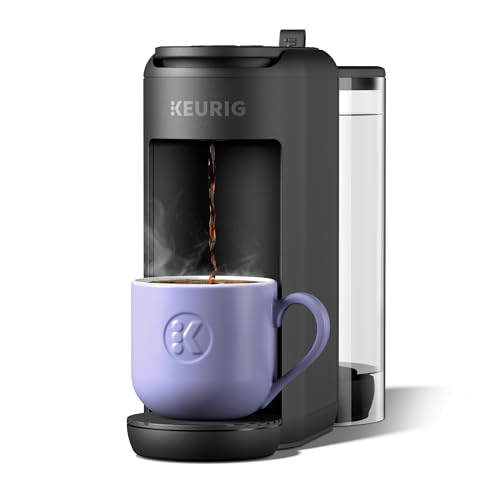
Pros
- Slim profile under five inches wide
- Generous 50-ounce removable water reservoir
- Dedicated iced and strong brewing settings
- Selectable 8, 10, and 12-ounce options
Cons
- Single-serve format lacks multi-cup carafe support
- Larger households should skip this compact model
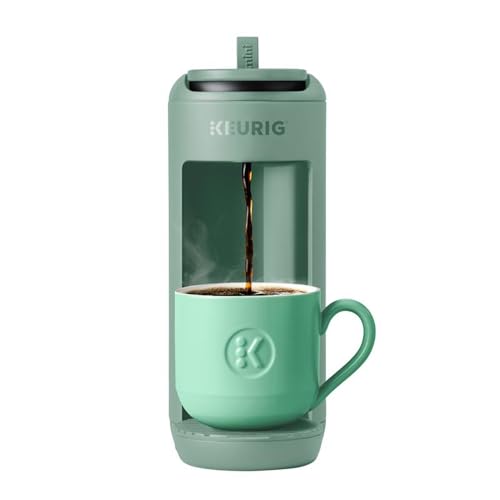
Pros
- Slim four-inch width fits cramped spaces
- Fits travel mugs up to 7.25 inches
- Lightweight design under four pounds
Cons
- Single-cup reservoir requires refilling before every brew
- Buyers needing multiple cups in succession should skip it
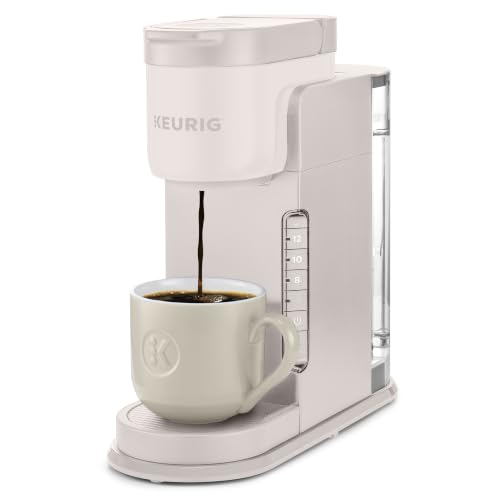
Pros
- Slim design fits narrow countertops
- Removable drip tray fits tall travel mugs
- Three push-button brew sizes available
- Strong brew option boosts coffee intensity
Cons
- My K-Cup reusable filter sold separately
- Lacks carafe brewing for multiple people
- Requires 17.2 inches vertical clearance when open

Pros
- Slim footprint under five inches wide
- Accommodates travel mugs up to seven inches tall
- Integrated cord storage keeps countertops tidy
- Automatic shutoff after 90 seconds saves energy
Cons
- Must refill water reservoir for every single cup
- Reusable grounds filter must be purchased separately
- Frequent drinkers should skip due to single-serve capacity
Choosing Keurig K-Express Alternatives for Small Spaces
Machine Width and Counter Footprint
Exterior width is often the deciding factor when counter real estate is scarce. Ultra-compact units measure between 4 and 5 inches wide, allowing them to tuck into narrow gaps beside a toaster or microwave. Slightly wider machines demand more surface area, but they often incorporate internal pumps that support back-to-back brewing without delay.
Single-Cup Versus Multi-Cup Reservoirs
Water capacity dictates how frequently you must visit the sink. Single-cup reservoirs require you to pour fresh water for every serving, which keeps water from sitting idle but slows down prep time. In contrast, multi-cup tanks holding 42 to 66 ounces allow you to prepare multiple servings consecutively, though they add depth or width to the brewer.
Travel Mug Clearance
Taller to-go mugs require sufficient vertical space beneath the brew nozzle. Most compact models include a removable drip tray that increases cup clearance up to 7.0 or 7.4 inches. You should measure your favorite travel tumbler before buying to ensure it fits upright without needing an awkward tilt during dispensing.
Strength Settings and Temperature Adjustments
Basic pod brewers operate with a single standard flow rate and temperature profile. Upgraded compact units feature dedicated strong brew settings that prolong contact time between water and grounds for a more robust cup. Options with iced beverage buttons adjust output temperatures to preserve bold flavor while minimizing ice dilution.
Reusable Pod Compatibility
Relying exclusively on disposable pods can increase ongoing costs and household waste. If you plan to brew your own ground coffee, check whether the model supports universal reusable filters. While many compact models work with accessory filters, certain slim chambers require specific adapter brackets.
How We Compared These Products
Our evaluation relies on published technical specifications, physical dimension measurements, reservoir configurations, and verified owner feedback. We assessed how each brewer manages footprint constraints, vertical clearance under upper cabinets, energy-saving shut-off timers, and cup size selections to help you determine the right fit for your living space.
Which Option Fits Your Needs?
For the narrowest counters: Keurig K-Mini Mate Single Serve K-Cup Pod Coffee is just 4 inches wide and features a simple one-cup reservoir that handles servings up to 12 ounces. It accommodates travel mugs up to 7.25 inches tall, making it a great choice for dorm rooms or compact desk corners. Who should skip it: Anyone who prepares several cups in a row and dislikes refilling the water tank for each brew.
For flavor customization and flexible placement: Keurig K-Supreme Single Serve K-Cup Pod Coffee incorporates MultiStream technology for thorough ground saturation, alongside a 66-ounce dual-position reservoir that can sit on the side or back of the chassis. It offers four brew sizes and supports back-to-back brewing without reheating delays. Who should skip it: Buyers whose surface area allows no more than 5 inches of clearance.
For multi-cup capacity in an ultra-slim frame: Keurig K-Mini Mate Plus Single-Serve K-Cup Pod keeps its width under 5 inches while providing a 50-ounce removable water tank. It also includes dedicated buttons for strong coffee and iced brewing. Who should skip it: Shoppers looking for the simplest single-button operation without extra brewing options.
Frequently Asked Questions
How much vertical clearance do compact coffee makers need when opening?
Opening the pod chamber handle typically adds 4 to 5 inches to the brewer height. A machine measuring around 12.6 inches closed will require roughly 17.2 inches of clearance to insert a pod. Always verify the distance between your countertop and the bottom of your upper wall cabinets.
Do compact single-serve brewers work with universal reusable filters?
Many slim machines support universal reusable filters such as the My K-Cup adapter. However, some ultra-narrow chambers require removing the standard pod holder assembly first, so reviewing the product manual is recommended before purchasing third-party baskets.
How do auto-off timers work on small pod coffee makers?
Most compact brewers feature integrated safety timers that shut off the heating element automatically between 90 seconds and 5 minutes after the last brew cycle. This safety feature saves electricity and prevents prolonged internal heating.
Can you brew cold coffee directly over ice?
Certain models include a dedicated iced setting that alters the brewing temperature to extract rich flavor without melting the ice too quickly. For machines without this button, using a smaller cup size on a strong setting over a full tumbler of ice delivers the best result.
How often should you descale a compact pod brewer?
Mineral scale accumulates quickly inside small heating elements, particularly in hard water areas. Running a descaling solution or diluted vinegar through the machine every three to six months helps maintain consistent water temperature and steady brew speed.

Write Your Review
No reviews yet. Be the first to share your experience!