

Deciding between a smartphone vs smartwatch usually comes down to whether quick wrist convenience can satisfy your daily communication routines or if you require the visual workspace of a dedicated mobile handset. Handsets handle complex web browsing, intensive photo capture, and continuous text input, as detailed in our guide to camera phones. In contrast, wrist wearables excel at surfacing timely alerts, logging physiological stats, and handling audio playback while keeping your hands unburdened.
Novel hybrid devices blur these boundaries further by integrating true wireless stereo earbuds directly inside the watch case. This guide evaluates 6 options from iPhanmis, Nothing, Verizon and more to help you understand whether a wearable companion complements primary smartphones or if your workflow demands a full-featured handset.

Pros
- Built-in wireless earbuds and speaker system
- Includes leather, steel, and silicone bands
- Clear 1.52-inch circular IPS display
- Direct Bluetooth calling and smartphone notifications
Cons
- Relies on proprietary Fitcloudpro companion application
- Buyers wanting standalone branded smartwatches should skip it

Pros
- On-wrist charging dock holds and powers included earbuds
- Comes packaged with interchangeable steel and silicone straps
- Built-in microphone and speaker support wrist-based Bluetooth calls
Cons
- Earbuds require memorizing complicated multi-tap gesture controls
- Requires proprietary FitCloudPro app for pairing and setup
- Who should skip: buyers wanting simple, single-tap audio controls

Pros
- Six years of guaranteed operating system updates
- Durable IP68 water and dust resistance rating
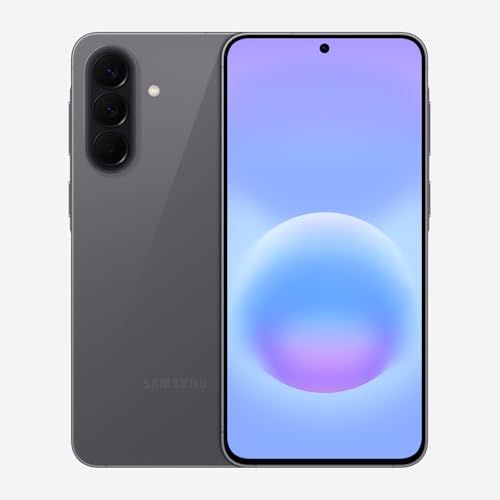
- Large 6.7-inch Super AMOLED display
- Generous 5000mAh battery capacity
Cons
- Midrange processor trails flagship gaming performance
- Heavy gamers should skip this midrange hardware

Pros
- Versatile four-camera setup with 50MP sensors
- Bright 120Hz AMOLED screen with IP68 rating
- Generous 512GB internal storage and 16GB RAM
- Snapdragon 8s Gen 4 provides responsive performance
Cons
- Requires manual IMEI whitelisting on Verizon
- Verizon network users should skip this device

Pros
- Long-lasting 5000mAh battery with reverse charging support
- Dedicated three-card slot supports dual SIMs and microSD
- Smooth 90Hz refresh rate on large display
- Includes protective case and pre-applied screen protector
Cons
- Not compatible with AT&T or Cricket networks
- Modest 32GB onboard storage and low-resolution display
- Lacks 5G connectivity and fast charging capabilities
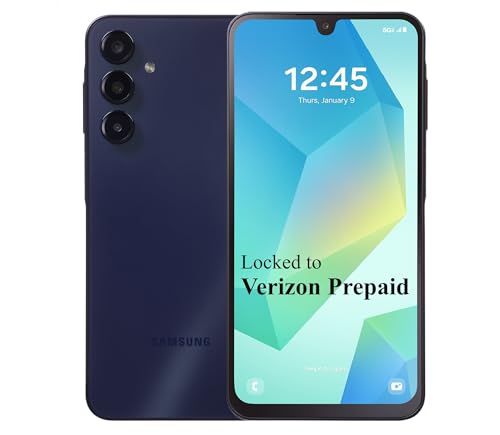
Pros
- Smooth 6.5-inch 90Hz FHD+ Super AMOLED display
- Large 5000mAh battery with 25W fast charging support
- Expandable storage up to 1TB using microSD card
- Versatile 50MP triple-lens rear camera setup
Cons
- Locked exclusively to Verizon Prepaid network service
- Requires separate Verizon Prepaid plan activation
- Buyers needing unlocked carrier freedom should skip it
Display Size and Visual Task Handling
Screen size sets a firm boundary on what tasks you can comfortably complete. Dedicated phones provide broad displays that allow effortless navigation across mapping tools, streaming video, and lengthy email exchanges. For instance, the Nothing Phone (3) Cell Phone features a 6.67-inch AMOLED screen, while the Samsung Galaxy A37 5G (2026) offers a 6.7-inch panel designed for wide-view media.
Wearables take a strictly glanceable approach. The T95 Smart Watch with Earbuds for iPhone Android carries a 1.52-inch round display, whereas the X10 Smart Watch with Earbuds for iPhone Android houses a 1.39-inch screen. These compact surfaces deliver incoming text prompts, incoming caller alerts, and activity counters cleanly, yet they cannot accommodate extended typing or detailed layout adjustments.
Operating System Autonomy and App Ecosystems
A full mobile operating system lets you download and operate independent tools without relying on a second machine. The Ulefone Note 23 4G Unlocked Cell Phone runs Android 16 Go to manage essential apps, navigation software, and calls natively. When exploring standalone value in entry-level segments, you can read our breakdown of the best smartphone under $200.
Companion wearables, by comparison, operate as wireless accessories tethered via Bluetooth. The X10 and T95 models pair through the Fitcloudpro mobile app, which requires Android 4.4 or iOS 8.0 and above. Severing this wireless link cuts off social media push notifications from platforms like WhatsApp and Facebook, meaning the watch relies fundamentally on an active handset anchor.
Integrated Audio Storage and Everyday Portability
Managing multiple loose gadgets often leads to tangled cables or misplaced charging cases. Hybrid smartwatches address this friction by nesting wireless earbuds directly into their watch chassis. Models like the X10 Smart Watch with Earbuds for iPhone Android recharge their bundled earbuds through internal battery reserves for two to three cycles on the go.
The primary compromise lies in case thickness. Adding internal compartments to store audio drivers increases overall wrist bulk compared to ultra-slim health bands. If you prefer carrying a slim profile on your arm, pairing a slender phone like the Verizon Prepaid Samsung Galaxy A16 5G with standalone audio gear may feel lighter throughout the day.
Optical Hardware and Imaging Capabilities
Advanced imaging remains the exclusive domain of handsets. Handheld devices pack complex multi-lens arrays, optical stabilizers, and expansive sensors that wearable cases cannot physically fit. For a deeper perspective on how dedicated lenses compare with mobile gear, see our article on smartphone vs digital camera setups.
Devices such as the Nothing Phone (3) Cell Phone supply four 50MP cameras spanning wide, periscope, and front-facing optics, while the Samsung Galaxy A37 5G (2026) offers a 50MP HDR main sensor with dedicated low-light modes. Companion watches can trigger remote shutter functions via Bluetooth, but they do not capture photographs themselves.
Health Monitoring and Physical Sensor Placement
Sustained skin contact allows wrist wearables to gather continuous biometric information that a handset stored inside a jacket pocket or purse cannot capture. The T95 and X10 watches track daily steps, estimate calorie burn, monitor sleep cycles, and log pulse as well as blood oxygen readings throughout waking hours.
It is important to remember that consumer health sensors are designed for personal wellness tracking and trend awareness rather than clinical diagnostics. Their integrated radios comply with basic FCC transmission safety regulations, but users should never substitute wearable readouts for professional medical evaluations.
How We Compared These Products
Our editorial evaluation examined published technical specifications, physical casing dimensions, software platform requirements, and verified customer feedback across each model. We assessed screen size differences, network compatibility limits, battery charging architectures, and audio docking capabilities to determine how effectively these devices meet varying lifestyle demands.
Which Option Fits Your Needs?
For shoppers seeking expansive mobile power, comprehensive camera setups, and rapid connectivity, the Nothing Phone (3) Cell Phone delivers a Snapdragon 8s Gen 4 processor, four 50MP cameras, and a bright 6.67-inch AMOLED display. Pros: flagship-tier processing power, versatile quad-lens camera setup, rapid 120Hz display refresh. Cons: higher cost investment, limited out-of-the-box Verizon network compatibility that requires IMEI whitelisting. Who should skip it: shoppers on a strict spending plan or users seeking a simple companion device.
For users who want hands-free audio convenience and all-day biometric logging without carrying extra headphone cases, the T95 Smart Watch with Earbuds for iPhone Android offers a 1.52-inch display and three bundled straps. Pros: built-in earbud storage dock, generous 1.52-inch screen, three interchangeable bands included in the box. Cons: thick wrist profile to fit audio compartments, requires active phone tethering for message sync. Who should skip it: buyers who want an ultra-slim fitness band or an independent cellular watch.
For budget-focused buyers requiring dependable everyday cellular connectivity, long battery runtimes, and clear displays, the Verizon Prepaid Samsung Galaxy A16 5G provides a 6.5-inch 90Hz Super AMOLED screen and a 5000mAh battery. Pros: sharp 90Hz AMOLED panel, 50MP triple-camera array, expandable storage up to 1TB. Cons: locked strictly to the Verizon Prepaid network. Who should skip it: users committed to alternative carriers like AT&T or T-Mobile.
Frequently Asked Questions
Can a smartwatch completely replace a smartphone?
No. Standard companion smartwatches lack standalone cellular modems, independent operating system environments, and desktop-grade web browsers. They function primarily as accessories that relay notifications, manage media playback, and record physical activity while staying tethered to a parent handset.
How do built-in earbuds charge inside a hybrid smartwatch?
The earbuds click directly into designated charging slots built into the watch casing. The watch battery shares its stored power with the earbuds, typically providing two to three complete recharge cycles before the entire watch housing requires a wall connection.
Which mobile operating systems support companion smartwatches?
Most companion wearables, including the T95 and X10 models, require the Fitcloudpro application. This software functions on mobile devices running Android 4.4 and higher or Apple iOS 8.0 and above, handling settings synchronization and fitness graphs over Bluetooth.
Are wearable blood oxygen and heart rate metrics medically certified?
No. Consumer smartwatches use optical sensors intended strictly for general fitness tracking and lifestyle awareness. While their wireless hardware satisfies basic FCC standards, they are not regulated medical devices and should not guide clinical health choices.
Can I take incoming voice calls directly from a smartwatch?
Yes, provided the watch maintains an active Bluetooth link to your phone. Devices equipped with built-in microphones, speakers, or docked wireless earbuds allow you to answer or dial phone calls directly from your wrist while your phone stays nearby.



Write Your Review
No reviews yet. Be the first to share your experience!