

Wet leaves cling to lawns and hard surfaces, while pine needles can be difficult to gather into piles. The best leaf blower for wet leaves and pine needles depends on whether you need stronger airflow, cordless movement, or vacuum and mulch functions. This guide compares four models by their listed features and explains what to verify before choosing.

Pros
- Three cleanup functions in one tool
- Large 40L collection bag
- Support wheels and shoulder strap
- 5.5 lb listed weight
Cons
- Cord limits mobility
- Who should skip it: shoppers needing cordless mobility
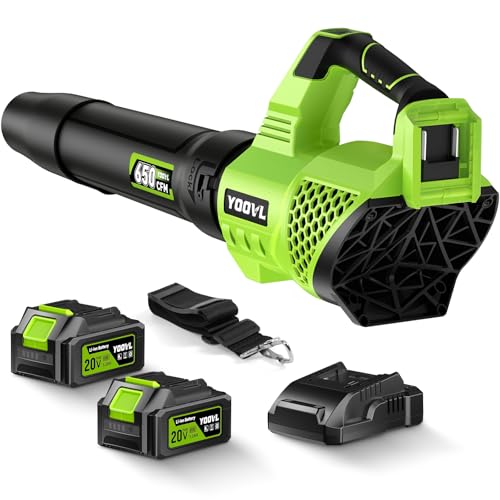
Pros
- Two batteries and charger included
- Three adjustable speed modes
- Shoulder strap included
- Handles leaves, dust, and light snow
Cons
- Snow use is limited to light, fluffy snow
- Who should skip it: Buyers needing a blower for heavier snow

Pros
- Two batteries and charger included
- Two speed settings
- Two interchangeable nozzles
- Lightweight body without battery
Cons
- Listed weight excludes battery
- Who should skip it: users needing heavy-duty debris clearing
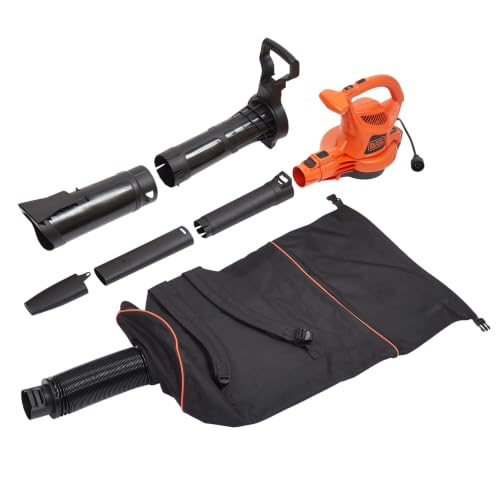
Pros
- Blower, vacuum, and mulcher in one tool
- Backpack bag with wide opening
- POWERBOOST button for on-demand power
Cons
- Corded design limits freedom of movement
- Listed weight is 11.1 pounds
- Who should skip it: shoppers seeking a cordless blower
The Best Leaf Blowers by Use Case
Best for Wet Leaves: YOOVL Leaf Blower Cordless, 650CFM Electric Leaf Blowers
The YOOVL Leaf Blower Cordless, 650CFM Electric Leaf Blowers is the clearest fit here for buyers who prioritize moving wet piles. Its listing specifies up to 650 CFM and says the high setting is intended for heavy, wet leaves and light, fluffy snow. Three speed modes let you use lower airflow for dust or grass clippings, while two 20 V 5.2Ah batteries and a shoulder strap are included. Those are listing claims, not a guarantee that every wet pile will move easily.
Reasons to buy:
- The listing directly identifies heavy, wet leaves as a high-speed use.
- Three speeds offer more adjustment than the two-speed cordless option in this group.
- Two batteries, a charger, and an adjustable shoulder strap are included.
Reasons to avoid:
- The listing gives a runtime claim of up to 150 minutes but does not explain the conditions or speed setting behind it.
- Its CFM figure is stated as “650CMF” in one feature description, so confirm the product page specification and unit before purchase.
Skip it if you need a corded vacuum and collection bag, or if you want verified performance figures for dense, soaked debris.
Best for Vacuuming and Mulching: Heywork 3-in-1 Leaf Vacuum Mulcher
The Heywork 3-in-1 Leaf Vacuum Mulcher suits buyers who want to collect and reduce leaves instead of only blowing them into a pile. It is a corded blower, vacuum, and mulcher, with a listing-specified 15:1 mulching ratio and 40 L collection bag. Its stated airflow is up to 450 CFM, with air speed up to 158 MPH. Those figures describe the listing; the available information does not establish how well its vacuum handles wet leaves or long pine needles.
Reasons to buy:
- Three functions support blowing, vacuuming, and mulching with one tool.
- The 40 L bag provides a stated collection capacity, and the listing specifies a 15:1 leaf-volume reduction.
- Support wheels and a shoulder strap are included for handling and movement.
Reasons to avoid:
- A cord limits movement and makes outlet access and cord management part of yard cleanup.
- The listing focuses on dry leaves and light debris, so ask the seller or consult the manual about wet material and pine needles before using vacuum mode.
Skip it if you need unrestricted cordless movement or a blower specifically described for heavy wet piles.
Best Lightweight Option: VIBOGEN Electric Leaf Blower Cordless With Battery
The VIBOGEN Electric Leaf Blower Cordless With Battery is aimed at quick cleanup around patios, garages, decks, and other small areas. The listing states a weight of 2.74 lb without the battery, up to 420 CFM, and up to 150 MPH. Two speed settings and round and flat nozzles provide some control over airflow and coverage. Its listed uses center on dry leaves, grass clippings, dust, and light debris, so it is not the strongest evidence-backed choice for wet piles.
Reasons to buy:
Reasons to buy:
- The stated 2.74 lb weight without battery favors short, one-handed cleanup jobs.
- Two 21 V 4.0Ah batteries and a charger are included.
- Two interchangeable nozzles support concentrated airflow or wider coverage.
Reasons to avoid:
- The listing does not specify use on wet leaves or pine needles.
- The stated weight excludes the battery, so the in-use weight will be higher.
Skip it if your routine cleanup involves heavy wet piles or you need a vacuum and mulch function.
Best for Backpack Collection: BLACK+DECKER Leaf Blower
The BLACK+DECKER Leaf Blower combines a corded blower with vacuum and mulcher functions. Its listing specifies up to 250 MPH and 400 CFM with POWERBOOST, plus a backpack collection bag described as having up to twice the bag capacity. A flexible tube supports maneuvering while vacuuming, and the bag has a wide opening for emptying. This setup may suit buyers who collect a substantial amount of dry leaves, but the published details do not confirm performance on wet leaves or pine needles.
Reasons to buy:
Reasons to buy:
- The three-in-one design switches between blowing, vacuuming, and mulching.
- The backpack bag and wide opening are designed for carrying and emptying collected leaves.
- POWERBOOST provides an on-demand increase, with listed maximums of 250 MPH and 400 CFM.
Reasons to avoid:
- The cord restricts range compared with battery-powered models.
- The listing does not provide a mulching ratio or bag volume, so verify these details if they matter to your cleanup.
Skip it if cordless portability or confirmed wet-leaf performance matters more than vacuum and backpack collection features.
How to Choose the Best Leaf Blower for Wet Leaves and Pine Needles
Airflow and air speed
Airflow, measured in CFM, describes the volume of air moved. Air speed, measured in MPH, describes how fast that air travels. Both figures can help compare listings, but neither alone guarantees that a blower will shift soaked leaves stuck to grass. For this group, YOOVL has the highest listed airflow and directly mentions heavy, wet piles. The other listings emphasize dry leaves or light debris.
Check whether figures are maximum settings, and confirm that the listing uses consistent units. Consider starting at a lower setting near gravel, garden beds, or delicate plants, then increasing airflow as needed. Pine needles can collect in corners and around plants, where a narrower nozzle may give more control than broad, high-volume airflow.
Battery or corded power
Cordless models make it easier to move around a yard without extension cords. YOOVL and VIBOGEN include two batteries each, but their stated runtime and battery capacity are manufacturer listing details, not a promise of runtime on high speed. Ask whether the batteries are compatible with other tools you own; the published information does not establish compatibility with other brands or product lines.
Corded models avoid battery changes while connected to power, but you must plan around outlet location and cord reach. Heywork and BLACK+DECKER are both corded. Check the manual for extension-cord guidance and safe operating instructions, since the published product details do not give cord length or requirements.
Blower versus vacuum and mulcher
A blower moves debris into piles for later collection. A vacuum can collect leaves directly, while a mulcher reduces their volume before they enter a bag. Heywork specifies a 15:1 reduction ratio and 40 L bag; BLACK+DECKER lists a backpack bag but does not state its volume or reduction ratio in the published details.
Wet leaves can be heavier and may be harder to vacuum than dry leaves. Do not assume that a listed vacuum function is suitable for wet material. Check the manual for permitted debris, clog-clearing steps, and whether pine needles are appropriate for vacuum mode. If you mainly need to shift debris out of a lawn, a blower may fit better than a collection-focused tool.
Weight, nozzles, and handling
Weight affects how long you can comfortably direct a handheld blower, especially when clearing a larger area. VIBOGEN lists 2.74 lb without its battery, while Heywork lists a 5.5 lb body. These figures are not directly equivalent because the listing does not clarify whether every accessory is included in the weight. Confirm the in-use weight and whether batteries, bag, or tubes change it.
Shoulder straps, support wheels, flexible tubes, and nozzle choices can make different tasks easier. YOOVL includes a strap, Heywork includes wheels and a strap, VIBOGEN includes round and flat nozzles, and BLACK+DECKER specifies a flexible vacuum tube. Match these details to where you work, rather than assuming one design suits every yard.
How We Compared
This comparison uses the published product listings, including stated airflow and air speed, power source, included batteries or collection equipment, operating modes, and design details. Customer rating figures were supplied without review counts or written customer feedback, so they do not support conclusions about recurring owner experiences. Where wet-leaf or pine-needle suitability was not specified, the guide identifies that uncertainty rather than treating general leaf cleanup claims as proof.
Frequently Asked Questions
Which option is most clearly described for wet leaves?
YOOVL is the only listing that directly describes its high setting for heavy, wet leaf piles. Its listing states up to 650 CFM, though one feature line prints the unit as “650CMF.” Confirm the current product-page specification and consult the manual for operating guidance.
Can these leaf blowers clear pine needles?
The published listings do not specifically confirm pine-needle performance. Airflow control and nozzle shape may help direct debris, but do not treat those features as a guarantee. Check the product manual and consider whether needles are dry, wet, or mixed with other debris.
Is a cordless blower better than a corded model?
A cordless model offers more freedom to move, while a corded model avoids changing batteries during a connected cleanup. Choose based on the size and layout of your yard, access to outlets, and whether you can manage a cord safely. The published listings do not provide comparable runtime figures under the same conditions.
Should I use a leaf vacuum on wet leaves?
Do not assume that a vacuum function is suitable for wet leaves. The Heywork and BLACK+DECKER listings identify vacuum and mulch functions, but the published details do not establish wet-material capability. Check the manual for permitted debris and cleaning instructions before vacuuming damp piles.
What should I check before buying a battery-powered model?
Confirm battery voltage and capacity, how many batteries and chargers are included, and whether the seller or manual explains runtime by speed setting. YOOVL and VIBOGEN each list two batteries and a charger. Do not assume either battery works with another brand or with every tool from the same brand.
Do higher CFM and MPH figures always mean better results?
No. CFM and MPH describe different aspects of airflow, and maximum figures do not fully explain performance on a particular surface or debris type. Look for a stated use that matches your task, then consider speed settings, nozzle design, power source, and whether the product is approved for wet material.






Write Your Review
No reviews yet. Be the first to share your experience!