

Choosing a phone under $800 can mean deciding between a foldable design and a conventional phone with a detailed camera system. This guide compares the Samsung Galaxy Zflip7 FE Cell Phone (2025) and the Nothing Phone (3) Cell Phone by storage, battery capacity, cameras, display details, and network compatibility, so you can match each option to your daily use.

Pros
- 256GB storage
- AI photo-editing features listed
- Unlocked Android phone
Cons
- Who should skip it: buyers needing confirmed display, camera, or processor specs

Pros
- Versatile four-camera setup with 50MP sensors
- Bright 120Hz AMOLED screen with IP68 rating
- Generous 512GB internal storage and 16GB RAM
- Snapdragon 8s Gen 4 provides responsive performance
Cons
- Requires manual IMEI whitelisting on Verizon
- Verizon network users should skip this device
The Best Smartphones by Use Case
Best for a Foldable Design: Samsung Galaxy Zflip7 FE Cell Phone (2025)
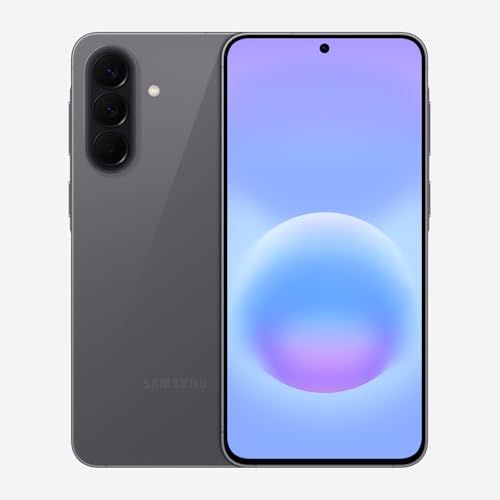
The Samsung Galaxy Zflip7 FE Cell Phone (2025) is the foldable choice in this comparison. Its listing identifies it as an unlocked Android phone with 256GB of storage, a 4,900mAh battery, a large display, and AI photo-editing features. The foldable format may appeal if you want a phone that opens into a large-screen experience, but the published details do not specify display dimensions, resolution, or refresh rate. Our Galaxy Z Flip case guide can help you explore related accessory considerations.
Reasons to buy:
- Foldable design offers a different form factor from the conventional Nothing phone.
- 256GB of listed storage provides room for apps, photos, and downloaded files.
- The listing names AI photo edits and a 4,900mAh battery as key features.
Reasons to avoid:
- The published information does not state screen dimensions, resolution, refresh rate, charging speed, or camera sensor details.
- Check the seller’s warranty terms and confirm carrier compatibility before ordering; the listing mentions a US one-year warranty but does not give coverage details.
Skip it if you want published details for a four-camera system, a stated IP rating, or a specific display resolution before choosing.
Best for Camera Specifications: Nothing Phone (3) Cell Phone
The Nothing Phone (3) Cell Phone suits buyers who prioritize stated camera hardware and generous built-in storage. Its listing specifies four 50MP cameras, including main, periscope, ultra-wide, and front cameras, alongside 512GB of storage and a 6.67-inch FHD+ 1.5K AMOLED display with an adaptive 120Hz refresh rate. The phone also lists a 5,150mAh battery, Snapdragon 8s Gen 4 processor, and IP68 rating. Those specifications describe its feature set, not a guarantee of photo quality or battery life in everyday use.
Reasons to buy:
- Four listed 50MP cameras include periscope and ultra-wide options, giving you more stated camera types than the Samsung listing provides.
- 512GB storage is double the Samsung model’s listed capacity, useful if you keep many files or recordings on your phone.
- The listing specifies a 120Hz AMOLED screen, Android 15, and IP68 rating.
Reasons to avoid:
- The listing warns that Verizon users need the carrier to whitelist the phone’s IMEI and says Verizon use is not recommended. Confirm support with your carrier before purchase.
- The listing names AT&T and T-Mobile bands, but the exact network experience can depend on your plan, location, and carrier provisioning.
Skip it if you use Verizon and cannot confirm that the carrier will whitelist this phone, or if you prefer a foldable design.
How to Choose the Best Phone Under $800
1. Check network compatibility before comparing features
An unlocked label does not mean every phone works on every carrier. The Nothing listing specifies support for AT&T and T-Mobile bands and flags limited Verizon compatibility, including an IMEI-whitelisting step. If you use Verizon, ask the carrier to check the exact device IMEI and confirm voice, text, and data support before buying. For another carrier, ask it to verify the model’s bands and activation requirements. Do not rely on a general statement that a phone is unlocked.
The Samsung listing calls its phone unlocked but does not provide a band list in the published information. Ask the seller or carrier for the exact model number and compatibility details for your network. This check matters especially if you plan to keep your current carrier or use the phone while traveling. A phone that cannot activate reliably is a poor fit regardless of its camera or display features.
2. Match storage to how you use your phone
The Samsung lists 256GB of storage, while the Nothing lists 512GB. More built-in storage can help if you save many videos, photos, offline playlists, or large apps directly on your phone. The published details do not say whether either model supports expandable storage, so check the full manufacturer specifications rather than assuming you can add a memory card later.
Think about what you keep locally, not only how much storage you have used today. If you routinely remove files or store them in cloud services, 256GB may be enough for your habits. If you want to keep a large library of media on the device, the Nothing’s listed 512GB gives you more room on paper. Cloud storage can also depend on a separate service, account, and internet access, so it is not the same as extra local capacity.
3. Read camera details as hardware descriptions, not photo guarantees
The Nothing listing names four 50MP cameras: main, periscope, ultra-wide, and front. It also lists features such as Night Mode, portrait tools, motion capture, and 4K video. These details may matter if you want several camera perspectives or plan to record video, but megapixel counts alone do not establish image quality. Sensor size, lens performance, image processing, and shooting conditions can all affect results, and those details are not fully supplied here.
The Samsung listing describes a high-resolution camera and AI photo edits, but it does not provide camera resolutions or identify separate camera types. If you care about zoom, ultra-wide framing, selfie cameras, or video formats, verify those exact specifications in the full listing. Choose based on the kinds of photos you take, such as group shots, distant subjects, or everyday snapshots, rather than treating a larger megapixel number as an automatic quality advantage.
4. Compare display format and stated screen details
The Nothing listing specifies a 6.67-inch FHD+ 1.5K AMOLED display with an adaptive 120Hz refresh rate. Those details help set expectations for screen size, panel type, and refresh behavior, though they do not establish brightness or image quality in every setting. A faster refresh rate may make scrolling and supported motion appear smoother, but the benefit depends on the content and settings you use.
The Samsung listing describes a large display but does not provide its size, resolution, or refresh rate in the published data. Its foldable form is the main design distinction, but check the full specifications for the exact screen measurements and how the phone folds. If you read or watch content frequently, compare dimensions and display details directly. If pocketable folded dimensions matter, verify the folded size as well, since it is not listed here.
5. Treat battery capacity and durability claims carefully
The listings specify battery capacities of 4,900mAh for Samsung and 5,150mAh for Nothing. Capacity is useful for comparing stated battery size, but it does not predict how long either phone will last for your routine. Screen use, cellular signal, camera use, and apps can affect consumption. Neither published description gives a tested runtime or charging speed, so check the full specifications if charging time or all-day use is a deciding factor.
The Nothing listing states an IP68 rating, while the Samsung listing describes the phone as durable without giving a specific rating in the published information. An IP rating has defined test conditions and does not mean a phone is protected from every kind of liquid exposure or damage. Verify the manufacturer’s terms and warranty exclusions before relying on water resistance. For more general phone categories and compatibility considerations, see our smartphone versus feature phone guide.
How We Compared
This comparison uses the published product listings, including stated storage, battery capacity, display information, camera features, operating system details, durability claims, and carrier compatibility notes. The Samsung listing provides fewer detailed specifications than the Nothing listing, so its recommendation focuses on the supported foldable format and named features rather than filling gaps with assumptions. We also considered whether the listed details answer practical buying questions, such as which carrier can activate the phone and how much local storage each model offers. The supplied material contains no customer feedback that supports a recurring ownership pattern, so this guide does not present review consensus as evidence.
For more comparisons in this category, browse our smartphone buying guides or explore camera phone coverage. Use those pages as additional context, then check the exact model and carrier details for the phone you plan to buy.
Frequently Asked Questions
Will the Nothing Phone (3) work on Verizon?
The listing warns that Verizon users must contact customer service to have the phone’s IMEI whitelisted and says the phone is not recommended for Verizon. Contact Verizon with the exact IMEI before purchasing and ask whether activation and the services you need will work. Do not treat the unlocked designation as confirmation of Verizon compatibility.
Which phone has more listed storage?
The Nothing Phone (3) Cell Phone lists 512GB, while the Samsung Galaxy Zflip7 FE Cell Phone (2025) lists 256GB. That makes the Nothing option the higher-capacity choice based on the published specifications. The listings do not state whether either phone supports expandable storage, so verify that detail if removable storage matters to you.
Does the Nothing phone have a better camera because it has four 50MP cameras?
The listing gives the Nothing phone more detailed camera specifications, including main, periscope, ultra-wide, and front cameras, each listed at 50MP. That does not prove that its photos will look better in every situation. Camera performance also depends on lenses, sensors, processing, and conditions, and comparable details are not supplied for the Samsung phone.
Is the Samsung phone’s 4,900mAh battery larger than the Nothing phone’s?
No. The published listings give the Samsung a 4,900mAh battery and the Nothing a 5,150mAh battery. The higher capacity does not establish longer real-world battery life, because usage and other phone characteristics affect runtime. Neither listing provides a comparable battery-life result.
What should I verify before ordering either unlocked phone?
Confirm your carrier supports the exact model and can activate its IMEI. Check the full listing for display dimensions, charging details, software-update policy, and camera specifications that are not included in the published product information. For the Samsung, review the stated US one-year warranty terms; for the Nothing, pay particular attention to the Verizon compatibility warning.


Write Your Review
No reviews yet. Be the first to share your experience!