

Upgrading your daily device often involves compromises between software support, cellular compatibility, and overall cost. Buyers frequently encounter modern devices that look great on paper, only to discover missing network bands or sluggish processors during everyday tasks. Navigating the best smartphone deals means understanding which specifications actually deliver reliable daily performance and which ones look impressive only on a spec sheet.
Whether you need a capable daily companion with multi-year operating system upgrades, a specialized multimedia device with high refresh rates, or an affordable secondary line for simple messaging, this guide breaks down the essential factors. We examine core criteria including display technology, cellular band support, and extended update commitments so you can find the device that fits your budget and service provider.
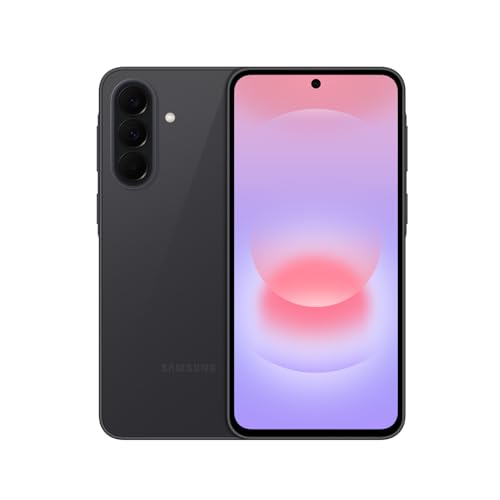

Pros
- Bright 5,000-nit 144Hz AMOLED screen with Gorilla Glass 7i
- 50MP periscope telephoto offers 3.5x optical zoom magnification
- Fast 50W wired charging reaches 60 percent quickly
- Clean bloatware-free Android 16 Nothing OS interface
Cons
- Not recommended for Verizon users due to limited bands
- Requires carrier IMEI registration before Verizon network activation
- Lacks full 5G band support on major carriers
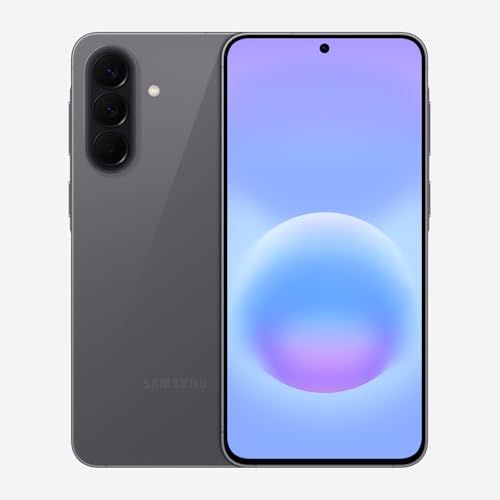
Pros
- Six years of OS and security updates
- Sturdy IP68 dust and water resistance
- Generous 5,000mAh battery capacity
- Vibrant Super AMOLED Plus screen
Cons
- Base 128GB storage restricts extensive local media libraries
- Skip if you require larger baseline internal storage

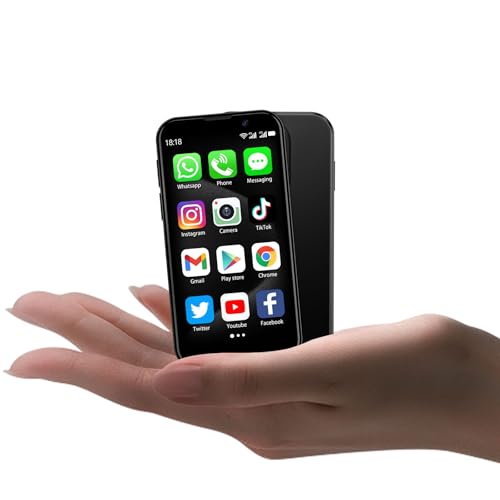
Pros
- Long-lasting 5000mAh battery with reverse charging support
- Dedicated three-card slot supports dual SIMs and microSD
- Smooth 90Hz refresh rate on large display
- Includes protective case and pre-applied screen protector
Cons
- Not compatible with AT&T or Cricket networks
- Modest 32GB onboard storage and low-resolution display
- Lacks 5G connectivity and fast charging capabilities
How to Evaluate the Best Smartphone Deals
Choosing the right mobile device involves matching technical capabilities to your daily habits. Looking through current market options requires evaluating more than just raw numbers. If you want to explore wider budget tiers, our guide to the best smartphone under $500 provides additional context on modern mid-range devices.
Software Lifecycle and Security Updates
A phone loses practical value quickly if the manufacturer stops issuing software patches after a single year. Extended operating system updates keep apps working smoothly and defend against emerging digital security threats. For instance, Samsung offers six generations of OS updates and six years of security patches on devices like the Galaxy A37 5G and Galaxy A57 5G. In contrast, ultra-budget models running streamlined platforms like Android 16 Go rarely receive extended support. If you intend to keep your phone for several years, prioritize models with explicit manufacturer update commitments.
Carrier Compatibility and Network Bands
Never assume an unlocked phone connects to every domestic cellular provider. Certain global or entry-level models lack key LTE and 5G frequency bands necessary for reliable voice and data transmission. The Ulefone Note 23 4G, for example, is explicitly incompatible with AT&T and Cricket, relying entirely on alternate GSM networks. Similarly, the Nothing Phone (4a) Pro provides robust T-Mobile band coverage but has limited band support on Verizon, requiring manual customer service whitelisting. Always verify the specific frequency bands your mobile network operates before buying an unlocked handset.
Display Quality and Refresh Rates
Screen quality directly influences your reading comfort, navigation, and outdoor usability. High refresh rates such as 90Hz or 144Hz make scrolling social feeds and long web pages feel significantly smoother than standard 60Hz screens. Peak brightness also matters if you frequently walk outside under direct sunlight. The Nothing Phone (4a) Pro offers a 6.83-inch 144Hz AMOLED panel reaching up to 5,000 nits peak brightness, whereas an entry-level panel like the 1210×540 screen on the Ulefone Note 23 4G is suited strictly for basic indoor tasks.
Camera Flexibility Beyond Megapixel Numbers
High megapixel counts do not automatically translate into clear photos in mixed lighting. Optical image stabilization (OIS) and dedicated secondary focal lengths make a noticeable difference in image clarity. The Nothing Phone (4a) Pro includes a 50MP Sony main sensor with OIS paired with a 50MP periscope telephoto lens for optical zoom, making it capable of sharp architectural and landscape shots. Standard mid-range devices from Samsung focus instead on automatic night photography algorithms, while basic 8MP sensors on ultra-affordable handsets are best kept for scanning paper documents and utility snaps.
Build Durability and Ingress Protection
Accidental spills and dusty environments can ruin electronics lacking proper ingress protection. A certified IP68 rating, present on the Samsung Galaxy A37 5G and Galaxy A57 5G, indicates protection against dust ingress and water submersion under controlled conditions. Devices rated at IP65 resist dust and light water jets, but should never be submerged. If you work outdoors or travel frequently, water resistance ratings and reinforced glass, such as Gorilla Glass 7i, provide worthwhile protection against everyday mishaps.
How We Compared These Products
Our editorial assessment relies on detailed research covering published manufacturer technical sheets, carrier band documentation, and verified user feedback. We evaluated display panels, processing hardware, battery charging limits, ingress resistance ratings, and long-term operating system upgrade schedules. By analyzing how each device behaves across real communication, photography, and connectivity scenarios, we established recommendations grounded in verifiable product features rather than promotional slogans.
Which Option Fits Your Needs?
Different phone users prioritize very different features. Here is how our featured selections align with common practical requirements:
If you want a dependable daily device backed by extended software longevity and excellent water resistance, the Samsung Galaxy A37 5G (2026) is a well-rounded pick. It features a 6.7-inch Super AMOLED screen, an Exynos 1480 processor, a 50MP main camera with Nightography, and IP68 dust and water resistance. It also includes six years of software updates and Google Circle to Search. However, charging speeds top out below the fastest market standards, and the plastic frame feels less premium than metal designs. Who should skip it: Buyers looking for specialized telephoto zoom cameras or flagship gaming performance.
For users who want upgraded materials and faster wired charging speeds, look at the Samsung Galaxy A57 5G (2026). It refines the mid-range formula with an aluminum metal frame, a vivid Super AMOLED Plus display with slim bezels, and 45W fast charging support alongside the same reassuring six-year update policy. It lacks a physical 3.5mm headphone jack, and users needing massive internal storage out of the box may find base configurations modest. Who should skip it: Shoppers looking for ultra-bright, high-refresh enthusiast panels or specialized LED notification arrays.
Mobile media enthusiasts and mobile photographers will appreciate the Nothing Phone (4a) Pro Cell Phone. Powered by a Qualcomm Snapdragon 7 Gen 4 processor, it stands out with a 6.83-inch 144Hz AMOLED display capable of 5,000 nits peak brightness, an interactive 137-LED Glyph Matrix notification system, and a 50MP periscope zoom lens with OIS. On the downside, carrier compatibility on Verizon is limited and requires manual line activation, while water resistance is rated at IP65 rather than full submersion IP68. Who should skip it: Verizon subscribers who prefer hassle-free network provisioning, or anyone wanting a compact, small-screen phone.
When an ultra-affordable backup phone or entry-level line is necessary, consider the Ulefone Note 23 4G Unlocked Cell Phone. It combines a 6.56-inch 90Hz display, Android 16 Go, a 5000mAh battery, a dedicated 3.5mm headphone jack, and expandable storage up to 2TB. The major trade-offs are modest processing performance on the Unisoc chip, limited 3GB physical RAM, a low-resolution 1210×540 display, and a total lack of AT&T or Cricket compatibility. Who should skip it: Anyone needing 5G speeds, demanding 3D gaming performance, or clear low-light photography.
For additional shopping perspectives across diverse budgets, check out our analysis of the best smartphone for the money or our guide to choosing the best smartphone under $200.
Frequently Asked Questions
How does virtual RAM differ from physical RAM?
Virtual RAM allocates a portion of your internal flash storage to hold inactive background data when physical memory runs low. Because flash storage reads and writes data far slower than physical RAM chips, virtual memory helps prevent apps from crashing but will not accelerate demanding 3D games or heavy multitasking. Devices with limited physical memory, like 3GB, will still feel constrained during heavy app usage.
Can I use any unlocked 4G or 5G smartphone on my current cellular provider?
No. Unlocked phones contain specific modem hardware configured for particular radio frequencies. Some devices lack CDMA support or the specific 5G bands used by carriers like Verizon. Others, such as the Ulefone Note 23 4G, are blocked from operating on AT&T and Cricket networks entirely. Always consult your carrier whitelist and compare the phone’s listed LTE and 5G bands against local network deployments before purchasing.
What is the difference between IP65 and IP68 water resistance?
An IP65 rating certifies that an enclosure keeps out dust and protects against low-pressure water sprays from any direction, such as light rain or bathroom sink splashes. An IP68 rating provides much higher protection, certifying that the device can withstand continuous immersion in fresh water under specified depths and durations, typically up to 1.5 meters for 30 minutes. Neither rating protects against high-pressure jets, steam, or corrosive salt water.
Does Android Go support standard smartphone applications?
Android Go runs standard Android applications, but it is optimized for entry-level hardware with lighter resource footprints. Popular services often provide dedicated lightweight editions (such as Google Go or Maps Go) designed to use less memory and data. While standard utility apps, social networks, and navigation tools operate fine, intensive 3D games and complex video editors may fail to open or will run with sluggish frame rates.
Why is long-term software update support important?
Smartphone manufacturers release operating system updates to add features and patch software vulnerabilities discovered over time. Without regular security patches, your device becomes increasingly vulnerable to malware, and banking apps may eventually drop support for outdated operating systems. Choosing a phone with four to six years of confirmed support preserves the device’s usability and resale appeal over a longer period.


Write Your Review
No reviews yet. Be the first to share your experience!