

Finding a dependable mobile device within a set price limit involves clear priorities. Buyers often weigh newer mid-tier releases against renewed premium models, sorting through differences in display refresh rates, battery sizes, and manufacturer support roadmaps. Choosing the best smartphone under $500 means identifying which trade-offs match your everyday habits without paying extra for features you will never use.
This comparison examines essential specifications, carrier band support, and operating system longevity across 4 models. Whether you need multi-day battery life, smooth mobile gaming, or extended software support, our analysis helps match your daily routine to the right device. If you want to compare other price categories, you can also explore our guide to the best phone under $700 or check entry-level picks in our roundup of the best smartphone under $200.
Pros
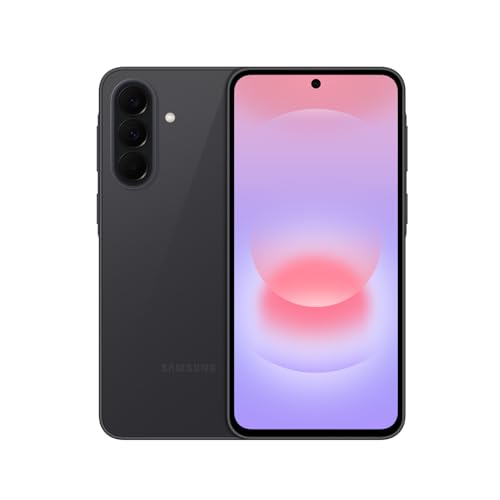
- Six years of OS and security updates
- Sturdy IP68 dust and water resistance
- Generous 5,000mAh battery capacity
- Vibrant Super AMOLED Plus screen
Cons
- Base 128GB storage restricts extensive local media libraries
- Skip if you require larger baseline internal storage

Pros
- Bright 5,000-nit 144Hz AMOLED screen with Gorilla Glass 7i
- 50MP periscope telephoto offers 3.5x optical zoom magnification
- Fast 50W wired charging reaches 60 percent quickly
- Clean bloatware-free Android 16 Nothing OS interface
Cons
- Not recommended for Verizon users due to limited bands
- Requires carrier IMEI registration before Verizon network activation
- Lacks full 5G band support on major carriers

Pros
- Expansive 6.8-inch adaptive 120 Hz QHD+ display
- High peak screen brightness up to 1750 nits
- Generous 512GB internal storage capacity
Cons
- Renewed condition rather than brand-new factory unit
- Heavy 0.52-pound profile may feel bulky for some
- Buyers seeking compact devices should skip this phone
How to Choose the Best Smartphone Under $500
Display Quality and Refresh Rate
Screen quality directly shapes how much you enjoy using your phone every day. Panels in this price category range from standard 1080p Super AMOLED displays up to sharper 1.5K or QHD+ options. Refresh rates also vary between 120Hz and 144Hz. Higher refresh rates make scrolling through apps and browsing websites feel fluid, though running at maximum refresh speeds can increase battery consumption during prolonged screen sessions.
Outdoor brightness is another important factor when choosing a screen. A display with high peak brightness stays clear under direct sunlight, while dim panels can wash out outdoors. For example, the Nothing Phone (4a) Pro features a 6.83-inch 144Hz AMOLED panel reaching up to 5,000 nits of peak brightness. If you do most of your reading or video streaming indoors, standard Super AMOLED screens like those on the Galaxy A series offer plenty of clarity and rich contrast while conserving power.
Processor Speed and Multitasking Memory
A phone’s processor governs app loading times, camera photo processing, and overall responsiveness. Modern mid-tier chipsets, such as the Exynos 1480 or Snapdragon 7 Gen 4, handle daily productivity apps, video streaming, and split-screen tasks with ease. These processors manage power efficiently, preventing sudden battery drains during routine work.
Memory capacity determines how many apps stay active in the background. Phones equipped with 8GB or 12GB of RAM keep web pages open and prevent apps from reloading when you switch tasks. If your routine includes heavy mobile games or local video rendering, higher RAM capacities and faster processors prevent sudden frame drops and stuttering.
Camera Systems and Zoom Versatility
A high megapixel count does not automatically guarantee great photos. Sensor size, optical image stabilization (OIS), and dedicated zoom lenses make a much larger difference in everyday photography. Basic camera setups often depend on digital cropping for distance shots, which quickly softens fine details.
Periscope telephoto lenses and primary sensors stabilized by OIS deliver sharper snapshots and smoother video clips. A triple-lens setup that includes a main lens, an ultra-wide sensor, and a dedicated optical zoom lens gives you creative flexibility when traveling or taking family portraits. If your main goal is capturing memorable vacation shots, take a look at our guide to the best budget smartphone for photography.
Battery Capacity and Fast Charging Speeds
Battery capacity establishes baseline runtimes, with 5,000mAh serving as the typical standard in this tier. Total runtime depends on processor efficiency, display resolution, and cellular signal strength. A phone with an adaptive refresh display can scale its speed down during static tasks, helping a 5,000mAh cell last through a full day of mixed use.
Wired charging rates vary significantly between different brands. Speeds range from 25W on entry-level models up to 45W or 50W on faster devices. Quick charging helps you replenish your battery before leaving home, but you should verify whether a compatible wall adapter comes in the retail box or needs to be purchased separately.
Software Support and Security Longevity
Long-term software support directly impacts how many years you can safely keep a phone. Extended update commitments provide access to new operating system features while protecting your personal data with timely security patches. Leading manufacturers now offer up to six generations of OS upgrades and six years of scheduled security updates on select mid-tier models.
Choosing a model with a multi-year support plan prevents premature obsolescence and maintains compatibility with sensitive banking applications. Shorter update policies may save money upfront, but they often lead to earlier device replacements when app support ends.
Carrier Compatibility and Durability Ratings
Unlocked devices require careful network verification before purchase. Most unlocked models connect readily to GSM networks such as T-Mobile and AT&T across standard 5G frequencies. However, certain unlocked devices have limited band coverage on Verizon or require manual IMEI registration through carrier customer support. Checking supported 5G bands in advance prevents unexpected data connection issues.
Durability ratings protect your device from daily mishaps. An IP68 rating certifies resistance against dust and prolonged water immersion, while an IP65 rating shields against dust and light water sprays. Metal frames and protective glass, such as Gorilla Glass 7i, provide extra structural strength against drops and everyday wear. Travelers who need sturdy, versatile gear can review additional choices in our roundup of the best smartphone for travel.
How We Evaluated These Smartphones
Our editorial assessment relies on detailed research into published technical specifications, manufacturer documentation, and verified customer feedback patterns. We analyzed processor models, memory limits, screen refresh rates, certified ingress protection ratings, battery capacities, and supported 5G network bands across major domestic carriers to determine real-world suitability.
Which Option Fits Your Needs?
For shoppers who prioritize long-term software support and a durable design, the Samsung Galaxy A57 5G (2026) is a dependable choice. It features a sturdy metal frame, an IP68 dust and water resistance rating, a vibrant Super AMOLED Plus display, and a 5,000mAh battery supported by 45W fast charging. It also provides six operating system upgrades and six years of security patches. Pros include the extended support commitment, IP68 water protection, and durable metal construction. Cons include the lack of a dedicated periscope zoom lens. Who should skip it: Photographers who need high-magnification optical zoom for distant subjects.
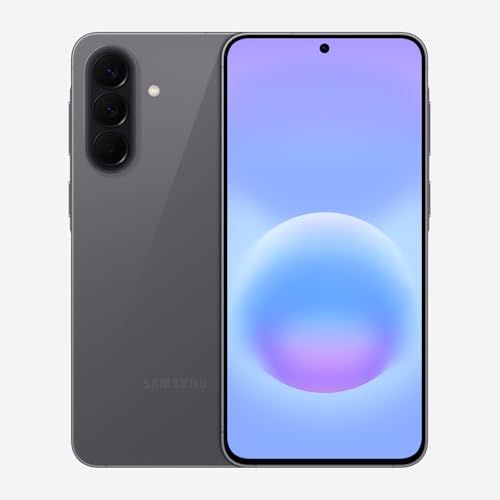
Buyers looking for reliable daily performance with solid value should consider the Samsung Galaxy A37 5G (2026). This model offers a large 6.7-inch Super AMOLED screen, an Exynos 1480 processor, an IP68 durability rating, and the same six-year update policy as its pricier sibling. Pros include the expansive display, dependable software lifespan, and strong water resistance. Cons include moderate graphics speeds for intensive games. Who should skip it: Mobile gamers who want maximum frame rates in demanding 3D titles.
Power users seeking high display brightness, distinctive styling, and flexible cameras will appreciate the Nothing Phone (4a) Pro Cell Phone. It combines a 6.83-inch 144Hz AMOLED display reaching 5,000 nits peak brightness with a Snapdragon 7 Gen 4 chip, a 50MP periscope zoom lens with 3.5x optical magnification, and 50W fast charging. It also includes the interactive Glyph Matrix lighting system. Pros include the bright 144Hz panel, dedicated periscope camera, and fast charging speeds. Cons include an IP65 rating rather than IP68 and limited out-of-the-box Verizon compatibility. Who should skip it: Verizon subscribers who prefer simple plug-and-play activation without contacting customer service for IMEI registration.
Users who want top-tier display resolution and substantial built-in storage should look at a renewed former flagship like the SAMSUNG Galaxy S23 Ultra 5G, US Version, 512GB. This phone provides a 6.8-inch Dynamic AMOLED 2X QHD+ panel with a 1-120Hz adaptive refresh rate and 512GB of internal storage. Pros include the sharp QHD+ screen resolution and massive storage volume. Cons center on its renewed condition and shorter remaining update lifespan compared to newer mid-tier releases. Who should skip it: Buyers who want a factory-sealed phone backed by a standard original manufacturer warranty.
Frequently Asked Questions
Do mid-tier smartphones under $500 support wireless charging?
Most brand-new phones in this price category omit wireless charging coils to keep manufacturing costs reasonable. They focus instead on larger battery capacities and fast wired USB-C charging. While renewed former flagships often retain wireless charging capabilities, new mid-tier options generally rely entirely on wired connections.
Will an unlocked Android phone work on all major US networks?
Compatibility depends on the specific 5G and LTE bands supported by the phone’s internal modem. Unlocked models usually work without issues on GSM carriers like T-Mobile and AT&T. Networks like Verizon use distinct frequency bands and may require you to contact customer support to register the device’s IMEI number before 5G data activates properly.
What is the difference between IP65 and IP68 ratings?
Both ratings offer complete protection against dust ingress. The difference lies in water protection. An IP65 rating protects a device against low-pressure water sprays, such as light rain or splashes from a sink. An IP68 rating certifies protection against continuous immersion in fresh water, typically up to 1.5 meters for thirty minutes.
Is a renewed flagship a smarter buy than a new mid-range phone?
A renewed flagship often provides superior display resolution, premium build materials, and advanced camera zoom features at a competitive price. In contrast, a brand-new mid-range phone provides a fresh battery with no prior wear, a full standard manufacturer warranty, and a longer future roadmap for operating system updates.
How many years of software updates should you expect?
Update commitments vary by manufacturer. Certain brands now provide up to six major Android OS updates and six years of security patches on modern mid-tier models, whereas other manufacturers offer two or three major updates. Checking the manufacturer’s update schedule helps ensure your device remains protected for years.
Does a 144Hz refresh rate drain battery life faster?
Running a screen at a continuous 144Hz refresh rate draws more power than operating at a standard 60Hz rate. Many modern phones solve this by using adaptive refresh controllers that automatically reduce the refresh rate when reading static text and ramp it up during fast scrolling or compatible mobile gaming.




Write Your Review
No reviews yet. Be the first to share your experience!