

Dust, sweat, and spills can make a mattress look or smell less fresh. A careful routine can help remove surface dirt and small stains without soaking the bed, which can be difficult to dry.
Most routine care is straightforward, but stain removal takes patience. Check your mattress care label first, then use the steps below to clean the surface and choose tools that suit your mattress and household.
What You Need
Gather clean cloths, a vacuum with an upholstery attachment, mild detergent, and a small amount of cool water. For stubborn fabric stains, a portable spot cleaner may help, but first confirm that your mattress maker allows water-based cleaning. A washable waterproof protector can reduce how often spills reach the mattress.
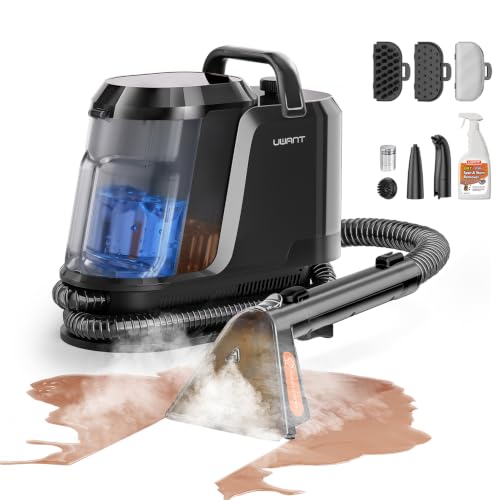
Pros
- Three water and steam cleaning modes
- 18KPa stated suction
- Seven included cleaning tools
- Integrated clean- and dirty-water compartments
Cons
- Who should skip it: shoppers who need a stated tank capacity
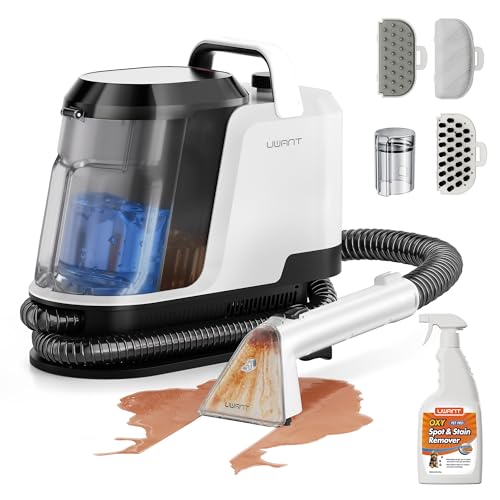
Pros
- Suitable for carpets, upholstery, car interiors, and pet beds
- Three brush heads included
- Pet-specific cleaning solution included
- Combined clean- and waste-water tank design
Cons
- Tank capacity and cord length are not specified
- Who should skip it: buyers needing stated tank capacity

Pros
- Fits mattresses up to 18 inches deep
- Machine washable
Cons
- Who should skip it: owners of mattresses over 18 inches

Pros
- 6-foot extended hose
- Compact storage dimensions
- Hose cleaning tool included
Cons
- Who should skip it: shoppers seeking a full-room carpet cleaner

Pros
- Waterproof TPU layer
- Fits mattresses up to 18 inches deep
- Machine washable
Cons
- Skip if your mattress falls outside the 6 to 18-inch range

Pros
- Waterproof TPU backing
- Fits mattresses up to 18 inches deep
- Machine washable
Cons
- Skip if your care routine requires high-heat tumble drying
How to Clean a Mattress
Step 1: Check the care instructions
Read the mattress label or manufacturer’s care page before applying liquid, detergent, or heat. Mattress materials and care instructions vary. If the instructions say not to use water, steam, or a particular cleaner, follow that guidance.
Remove bedding and wash it according to its own care label. Keep children and pets away from cleaning products and wet surfaces.
Step 2: Vacuum the surface
Use an upholstery attachment to vacuum the top and sides, moving slowly over seams and tufts where dust can collect. Avoid pressing hard or using an attachment that could snag the fabric.
Step 3: Blot fresh spills
Press a clean, dry cloth against a fresh spill to absorb liquid. Lift the cloth and repeat with a dry area. Do not rub, since rubbing can spread a stain or push liquid farther into the mattress.
Use only a small amount of cool water if the care instructions permit it. Keep liquid away from electrical components in adjustable beds, and unplug the bed before cleaning near powered parts.
Step 4: Treat a small stain
Follow the mattress maker’s recommended cleaner. If it permits mild detergent, mix a small amount with water, dampen a cloth rather than the mattress, and dab the stain from its outer edge inward. Test the cleaner on an inconspicuous area first.
Do not mix cleaning products. Use gloves if a product label recommends them, ventilate the room, and keep cleaners out of children’s reach.
Step 5: Use a spot cleaner only if allowed
A portable upholstery cleaner can spray, scrub, and extract liquid from some fabric surfaces. For example, the Uwant 18Kpa Portable Carpet Cleaner with Pet Pro lists mattress cleaning among its uses. That does not confirm compatibility with every mattress, so check both the mattress and cleaner instructions before use.
Use the least liquid needed and make controlled passes. The Uwant Carpet Cleaner Machine with Steam&Hot&Cold lists steam, hot-water, and cold-water modes, but heat and moisture may harm some mattress materials. Do not use its steam mode on a mattress unless the mattress manufacturer explicitly permits it.
Step 6: Remove residue and dry fully
If the cleaner’s instructions call for rinsing, follow them without saturating the mattress. Blot away remaining moisture with dry towels. Let the mattress air-dry completely before replacing bedding.
Improve airflow by opening a window or running a fan if conditions allow. Do not apply high heat unless the mattress maker says it is safe.
Step 7: Add a washable barrier
Once the mattress is dry, a fitted waterproof protector can help shield it from future spills. Check the size and pocket depth against your mattress, then follow the protector’s washing and drying instructions.
Common Mistakes to Avoid
Do not soak a mattress. Excess moisture can take a long time to dry, and the care label may prohibit liquid cleaning. Use a damp cloth or controlled spot-cleaning method instead.
Avoid unapproved steam, hot water, bleach, and harsh chemicals. Heat or chemical cleaners can damage some fabrics and materials. Check the product label and mattress instructions before applying anything.
Do not scrub aggressively or put bedding back while the mattress is damp. Rubbing can spread stains, while trapped moisture can leave the bed unpleasant to use.
Do not assume a carpet cleaner is suitable for every mattress. These tools are designed for fabric surfaces, but mattress construction and care rules differ. Confirm permission before using a machine, especially one with heat or steam.
Recommended Gear
Explore more Sleep Tech guides for related sleep products. These picks address spot cleaning or spill prevention, not every mattress-care need.
For pet messes on approved fabric surfaces: The Uwant 18Kpa Portable Carpet Cleaner with Pet Pro lists mattress use, a pet cleaning solution, and three brush heads. Its trade-off is that it uses liquid, so check the mattress care instructions and dry the area fully. Pros: listed mattress use and included brushes. Cons: mattress material compatibility is not specified. Who should skip it: Anyone whose mattress instructions prohibit water-based cleaning.
For a washable spill barrier: The BEDLORE Waterproof Mattress Protector lists a waterproof TPU layer, machine washing, and a fitted skirt for mattresses up to 18 inches deep. Pros: washable design and stated spill protection. Cons: this is prevention, not a stain-removal tool, and buyers should verify size and fit. Who should skip it: Anyone who needs a cleaner rather than a protective cover.
For a steam option on suitable upholstery: The Uwant Carpet Cleaner Machine with Steam&Hot&Cold lists three cleaning modes and multiple tools. Pros: mode choices for different cleaning tasks. Cons: the listing does not establish mattress compatibility, and steam may be unsuitable for some mattresses. Who should skip it: Anyone seeking a mattress-specific machine or whose care label rules out heat or moisture.
Frequently Asked Questions
How often should you clean a mattress?
Vacuum when needed and clean stains promptly, following the mattress maker’s care instructions. A washable protector can make routine upkeep easier, but it does not remove the need to follow the mattress care label.
Can you use a carpet cleaner on a mattress?
Only if the mattress manufacturer permits that type of cleaning and the machine instructions allow the intended use. Use minimal liquid, avoid unapproved heat or steam, and let the mattress dry completely.
Can you use steam to clean a mattress?
Do not assume steam is safe. Check the mattress instructions first. The Uwant steam cleaner listing specifies a 212°F steam mode, but that feature alone does not establish that a mattress can tolerate steam.
How do you dry a mattress after cleaning?
Blot moisture with dry towels and allow the mattress to air-dry fully before putting bedding back. Increase room airflow when practical, and follow any drying guidance from the mattress manufacturer.
Does a waterproof protector clean a mattress?
No. A protector helps shield the mattress from spills, and washable models can be laundered according to their care instructions. It does not remove stains already on the mattress.




Write Your Review
No reviews yet. Be the first to share your experience!