

Smart home setup stall when hardware use conflicting communication protocols. Smart home hub vs bridge decision define how home network process command logic, handle device traffic, execute schedule rules. Hub act as central brain for multi-brand networks. Bridge translate single proprietary protocol into standard home network data.
Guide evaluate architecture differences in smart home hub vs bridge landscape. You learn protocol support trade-offs, offline execution limits, connectivity choices. Explore broad ecosystem options across Smart Home category before buying hardware.
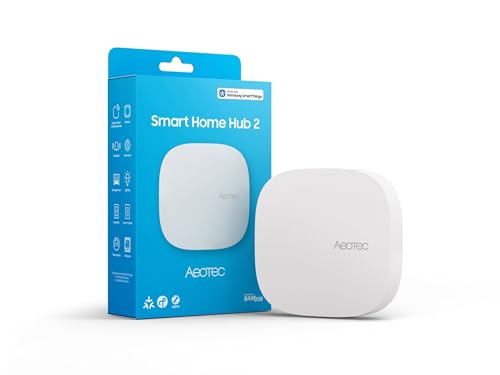
Pros
- Supports modern Matter and Zigbee device protocols
- Local automation execution works during internet outages
- Flexible setup via Wi-Fi or wired Ethernet
Cons
- Lacks Z-Wave support for legacy smart devices
- Users with existing Z-Wave setups should skip it
Protocol Support and Signal Translation
Smart home devices talk via distinct wireless radio standards. Smart home hub combine multiple radios like Zigbee, Thread, Matter into single hardware controller. Bridge typically convert one radio signal into Ethernet or Wi-Fi packets. Trade-off center on flexibility versus simplicity: hub support cross-brand ecosystems, while bridge lock control to dedicated product line. Model like Aeotec Smart Home Hub2 – V4 include Zigbee and Matter gateway radios, but omit Z-Wave. Verify exact wireless standards on device boxes before purchase.
Local Processing vs Cloud Dependency
Automation speed rely directly on processing location. Cloud-dependent bridge forward every sensor trigger to remote servers before lamp switch on. Latency spike and internet outages break routine execution. True smart home hub process automation routines locally on internal hardware. Local execution keep security rules, lighting schedules, sensor actions running through internet drops. Check manufacturer documentation to confirm local processing capability for critical routines.
Ecosystem and App Integration
Control interface dictate daily user convenience. Bridge software often restrict customization to brand-specific mobile applications. Full smart home hub connect across platforms like Samsung SmartThings, Amazon Alexa, Google Assistant. Multi-ecosystem hubs unify diverse sensors, switches, thermostats under shared interface. Prioritize hub if system span mixed brands requiring complex conditional logic.
Network Connectivity and Reliability
Hub hardware require stable connection to home router. Wi-Fi connection allow flexible shelf placement across house. Wired Ethernet eliminate wireless interference, dropouts, radio congestion. Smart hardware with both Ethernet and Wi-Fi options give installation flexibility. For high device counts, wire hub directly to router via Ethernet cable.
How We Compared These Products
Analysis rely on manufacturer technical specifications, protocol documentation, published architecture standards. Evaluation review protocol compatibility, network interface options, local automation support without experimental lab claims. Assessment balance real-world hardware utility against ecosystem compatibility constraints.
Which Option Fits Your Needs?
Review specific setup needs before picking hardware in Smart Home Hubs category.
For Multi-Protocol Automation Builders: Aeotec Smart Home Hub2 – V4 deliver solid central control. Hardware run on SmartThings platform with Zigbee and Matter support. Local processing preserve automations during temporary internet loss. Ethernet plus Wi-Fi setup allow flexible placement. Pros include broad brand compatibility, local logic processing, voice assistant integration with Alexa and Google Assistant. Cons include complete lack of Z-Wave radio support. Who should skip it: users with existing Z-Wave sensor networks should bypass this model.
Frequently Asked Questions
What differentiate smart home hub from smart home bridge?
Hub act as central processor coordinating automations across different brands and radio protocols. Bridge act as translator converting single proprietary wireless protocol into home Wi-Fi or Ethernet network.
Can smart home hub function without active internet?
Hub with local processing execute existing schedules and sensor automations during network outages. Remote access, cloud alerts, voice assistant control require active internet connection.
Do Matter standard replace need for dedicated hub?
Matter simplify cross-brand setup but still require Matter Controller or Thread Border Router hardware to coordinate network traffic and execute complex automations.
Will Zigbee device pair directly to Wi-Fi router?
Zigbee use distinct wireless frequency protocol incompatible with standard Wi-Fi routers. Zigbee hardware require hub or bridge equipped with Zigbee radio coordinator.
Why do some smart hubs omit Z-Wave support?
Manufacturers cut hardware costs and prioritize emerging Matter over Thread standards alongside Zigbee. Check device inventory before purchasing hub lacking Z-Wave radio.




Write Your Review
No reviews yet. Be the first to share your experience!