

Steam Deck vs ROG Ally X comes down to how you access games and what you value in a handheld PC. Steam Deck OLED models emphasize Steam integration and an HDR OLED screen, while the listed ROG Ally X models offer Windows, a 120Hz display, and access to multiple PC storefronts.
These listings include different versions and seller-upgraded bundles, so check the exact model details before buying. The handheld gaming PC category has more options if neither platform suits your needs.
Quick Verdict
Choose Steam Deck if your games are mainly in Steam and you want trackpads, Steam integration, and an OLED display. The Steam Deck OLED 512GB Handheld is the lower-capacity listing, while the 512 GB listing also specifies Wi-Fi 6E and Bluetooth 5.3.
Choose ROG Ally X if Windows access, a 120Hz FHD display, and compatibility with multiple PC game stores matter more. The ASUS ROG Xbox Ally X 7-inch Gaming Handheld lists a Ryzen AI Z2 Extreme processor, 24GB RAM, and a 1TB SSD.

Pros
- 120Hz touchscreen display
- 24GB memory and 1TB SSD
Cons
- Who should skip it: buyers who do not want Windows.

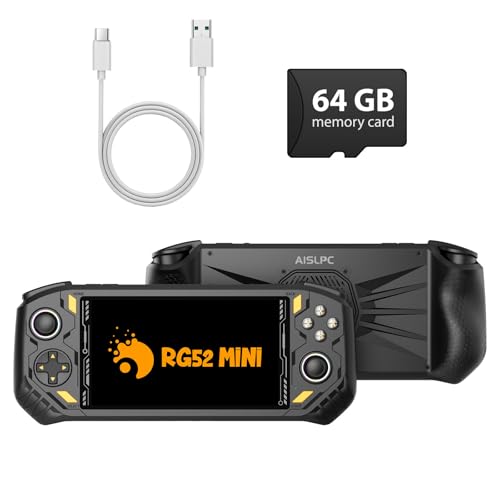
Pros
- Multiple built-in control options
- Expandable storage via microSD
- Carrying case included
Cons
- Listing conflicts on storage and variant details
- Skip if you need confirmed model specifications

Pros
- 7.4-inch HDR OLED display
- 90Hz refresh rate
- Includes multiple listed accessories
Cons
- Listing conflicts: 2TB upgrade claim versus 1TB specification
- Skip it if you require an unopened original seal

Pros
- 120Hz Full HD touchscreen
- 24GB LPDDR5X RAM
- 1TB PCIe 4.0 SSD
- Windows PC gaming ecosystem
Cons
- Japan version, not a US version
- Who should skip it: buyers seeking a US-version model

Pros
- 512GB storage capacity
- OLED screen
- HDR support listed
Cons
- Listing omits display, battery, and connectivity specifications
- Skip if you need detailed specs before choosing

Pros
- 7-inch 1080p display with 120Hz refresh rate
- 24GB LPDDR5X memory and 1TB SSD
- Two USB-C ports
- Windows 11 Home
Cons
- Listed battery figures do not specify gaming runtime
- Who should skip it: buyers needing a stated gaming runtime
Steam Deck vs ROG Ally X: Key Differences
Operating system and game libraries
The supplied Steam Deck listings describe access to a Steam library and SteamOS features such as built-in trackpads. The ROG Ally X listings run Windows and specify access to Steam, Xbox Game Pass, Epic Games Store, and other PC platforms. That broader store access can suit players who already subscribe to Game Pass or keep games across several launchers.
Storefront access does not guarantee every game works equally well on a handheld. Check compatibility for your specific games, especially if they use launcher requirements or anti-cheat software.
Display type, resolution, and refresh rate
The Steam Deck OLED 512 GB listing specifies a 1280 × 800 HDR OLED screen with refresh rates up to 90Hz. The ROG Ally X listings specify a 7-inch FHD screen at 1920 × 1080 or 1920 × 1200 and 120Hz. Higher resolution and refresh rate may appeal if you prioritize sharp detail and smooth motion, while OLED and HDR are the stated strengths of the Deck’s screen.
Resolution and refresh rate alone do not establish overall image quality or game performance. The 2TB Steam Deck bundle also lists a 7.4-inch HDR OLED display at 90Hz, so confirm the display details for the exact listing you select.
Processor, memory, and storage
The listed ROG Ally X models use an AMD Ryzen AI Z2 Extreme processor with 24GB RAM and a 1TB SSD. Steam Deck OLED listings specify a custom AMD APU, but do not provide matching processor or memory details in the listing information. The ROG specifications are clearer for buyers comparing listed memory and internal storage, but they do not prove a particular frame rate in any game.
Steam Deck storage differs by listing: two listings specify 512GB, and one is a seller-upgraded 2TB bundle. That bundle says the original seal was opened for the upgrade. The standard 512GB listing describes microSD expansion; verify seller, upgrade, and included-item details before choosing the 2TB option.
Controls and everyday setup
The Steam Deck listing includes thumbsticks, trackpads, and touchscreen controls. Trackpads can be useful for games designed around a mouse, including some strategy and desktop-style interfaces. ROG Ally X listings describe Windows controls and touchscreen input; one also lists macro buttons, an accelerometer, and a gyroscope.
Choose based on the games you play and how much setup you want. Steam-focused access may feel more direct for a library already centered on Steam, while Windows offers flexibility alongside the possibility of managing several storefronts and apps.
Connectivity, battery details, and regional versions
The 512 GB Steam Deck listing specifies Wi-Fi 6E and Bluetooth 5.3. One ROG listing specifies Wi-Fi 6E, Bluetooth 5.4, and two USB-C ports, including USB 4 and USB 3.2 Gen 2. Those details matter if you plan to pair accessories or connect a display, but port capabilities vary by model and should be checked against your intended setup.
Battery claims are not directly comparable: the ROG listing that states up to 22.3 hours labels that figure as idle use, and lists up to 13.9 hours of video playback. Those figures are not gaming-runtime estimates. Two ROG listings are identified as Japan versions; check language, plug adapter, seller support, and regional terms before purchase.
Which Should You Buy?
Choose Steam Deck for a Steam-centered library. Its listed Steam integration and trackpads fit players who want handheld controls for games that may not be designed for a controller. Skip it if Windows storefront access is a priority or you need the listed 120Hz FHD screen.
Choose ROG Ally X for multiple PC storefronts. Windows and the stated access to Steam, Game Pass, and Epic Games Store suit players who want those services on one handheld. Skip it if you prefer Steam-focused integration or OLED is your top display priority.
Choose by screen preference. The Deck listings specify HDR OLED, while the ROG listings specify FHD resolution and 120Hz refresh rate. Consider the games you play and whether contrast, resolution, or refresh rate matters most to you.
Choose the 2TB Deck bundle only if its upgrade details suit you. The listing says a seller upgraded the SSD and opened the original seal. Skip it if you want an unopened standard configuration or need more certainty about seller-specific changes.
How We Compared
We compared the published listings’ operating systems, display specifications, stated processors, memory, storage, controls, connectivity, and battery claims. We also considered listing differences, including the seller-upgraded Steam Deck bundle and Japan-version ROG Ally X models. Customer ratings were supplied without review text, so they do not establish recurring ownership experiences.
Frequently Asked Questions
Is Steam Deck or ROG Ally X better for Steam games?
Both listed product lines list access to Steam. Steam Deck centers its experience on Steam and includes trackpads, while ROG Ally X runs Windows and lists access to several PC storefronts. Your preferred interface and game compatibility are useful deciding factors.
Does ROG Ally X have a faster screen?
The supplied ROG Ally X listings specify a 120Hz display. Steam Deck OLED listings specify up to 90Hz. Refresh rate is one part of the display comparison and does not by itself establish how smoothly every game will run.
Which device has an OLED display?
The supplied Steam Deck OLED listings specify HDR OLED screens. The ROG Ally X listings describe FHD screens, with one specifying an IPS-level touchscreen and another a TFT LCD. Confirm the exact model’s panel description before ordering.
Can either handheld run games outside Steam?
The ROG Ally X listings specify Windows and access to Xbox Game Pass, Epic Games Store, Steam, and other PC platforms. The supplied Steam Deck descriptions focus on Steam integration. Check each game’s compatibility and launcher needs rather than assuming every title works on either device.
Should I buy the 2TB Steam Deck listing?
Consider it if you want the listed 2TB capacity and included accessory bundle. The seller states that the original seal was opened for the SSD upgrade, so verify seller terms, upgrade details, and bundle contents before purchase.



Write Your Review
No reviews yet. Be the first to share your experience!