

A cable-free fit can help during runs, but wired earbuds never need their own battery charge. If you are asking, “Are Wired Earbuds Better Than Wireless?” the answer depends on your device, listening habits, and tolerance for charging and cables. This guide explains the differences and considers one supplied wireless sports option, HAOYUYAN Wireless Earbuds.
The product information describes workout-oriented features, including ear hooks, an IPX7 rating, and a claimed 80 hours of total playback with the case. It does not provide a wired product for a direct model-to-model comparison, so the guide focuses on how to decide between connection types and where this specific wireless pair may fit.
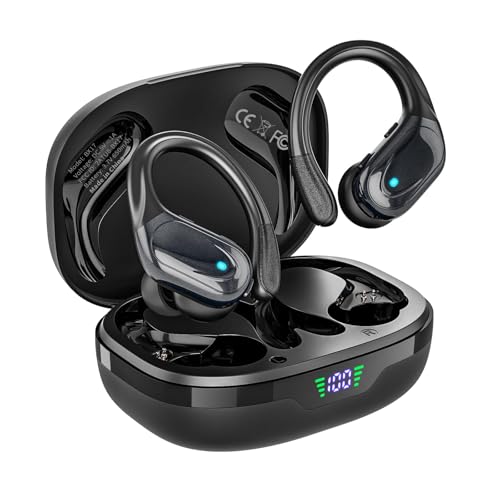
Pros
- Up to eighty hours total playback time
- IPX7 waterproof rating for sweat resistance
- Ear hook design ensures secure workout fit
- Dual digital LED battery indicator display
- Large 14.3mm audio drivers
The Best Earbuds by Use Case
Best for Workout Fit: HAOYUYAN Wireless Earbuds
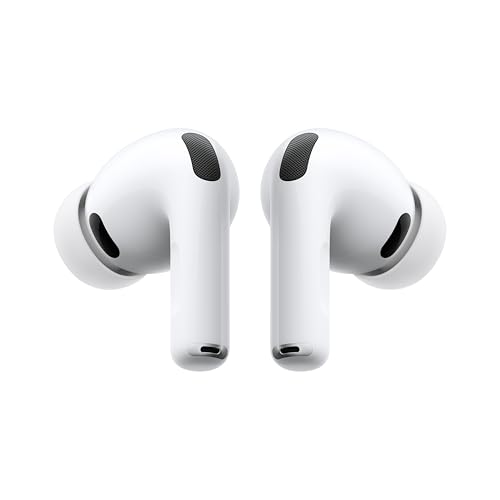
HAOYUYAN Wireless Earbuds are Bluetooth sports earbuds with elastic ear hooks and three ear-tip sizes, features aimed at keeping them in place during exercise. The listing specifies 14.3 mm speaker drivers, IPX7 water resistance, and up to 15 hours of playback per earbud charge, plus up to eight additional full charges from the case. Those stated features make this pair worth considering if you want to move without a cable and prefer a case that displays its remaining battery.
The listing also describes noise canceling, but does not clarify whether that means active noise cancellation or another form of noise reduction. It does not provide a supported Bluetooth codec, microphone measurements, or independent battery results, so do not assume particular call quality, sound isolation, or everyday runtime from the headline claims alone. <a href="HAOYUYAN Wireless Earbuds suit buyers who value the listed fit and battery features more than a cable connection.
Reasons to buy:
- Elastic ear hooks and three ear-tip sizes provide fit options for exercise.
- The listing states an IPX7 rating and resistance to sweat and water splashes.
- A dual digital display shows case battery information, and the case uses Type-C charging.
Reasons to avoid:
- Wireless listening depends on charged earbuds and case; wired earbuds do not have this charging routine.
- The listing does not identify supported Bluetooth codecs or clarify the type of noise canceling.
Skip it if you need a wired connection, want specified codec support, or need confirmed active noise cancellation. Check the product listing and your device requirements before buying.
How to Choose: Are Wired Earbuds Better Than Wireless?
Connection, latency, and your device
Wired earbuds send audio through a physical connection, while Bluetooth earbuds receive audio wirelessly from a paired device. A cable avoids Bluetooth transmission delay, which can matter when you monitor live audio or play games where sound timing matters. Bluetooth delay varies by devices and supported codecs, so do not assume every wireless pair will behave identically.
Check the ports on the phone, tablet, computer, or game system you plan to use. A device with a 3.5 mm headphone jack can accept compatible wired earbuds directly. A device without that jack may need an appropriate audio adapter; verify that the adapter supports audio, rather than assuming every USB-C accessory does. Bluetooth earbuds need compatible Bluetooth support and a pairing process. The HAOYUYAN listing describes automatic reconnection to the last paired device when the case opens, but does not specify Bluetooth version or codec.
Battery routine and listening time
Wired earbuds draw power from the connected device and do not need a separate earbud battery charge. That can be useful for long listening sessions, travel, or workdays when you do not want to track another battery. The trade-off is a physical cable, and you may need a compatible adapter if your device lacks a headphone jack.
Wireless models need charging, and advertised runtime should be treated as a manufacturer claim rather than a guarantee for every listening situation. HAOYUYAN lists up to 15 hours per earbud charge and up to 80 hours with the case. Those figures can help you compare the stated capacity, but the published information does not explain the conditions used to calculate them. Consider whether you will remember to charge the case and whether its Type-C charging connection suits your routine.
Sound, drivers, and noise claims
A wired connection does not automatically mean better sound. The result also depends on the earbuds’ drivers, tuning, fit, and the source device. Bluetooth transmission may use audio codecs, but the product information for HAOYUYAN does not name any supported codecs. If codec support matters to your phone or listening setup, confirm it in current manufacturer information before choosing.
The listing gives HAOYUYAN’s driver size as 14.3 mm and describes rich bass and clear treble. Driver size alone does not establish sound quality, so treat those sound descriptions as manufacturer claims. The listing also uses the term “noise canceling” without saying whether it refers to active cancellation. If you need active noise cancellation for flights or noisy offices, verify the specific feature rather than relying on that broad label.
Fit, movement, and water exposure
A cable can catch on clothing or equipment during exercise, and movement against the cord may create audible rubbing. Wireless earbuds remove that cord, but their fit still matters: a loose earbud can shift or fall out. HAOYUYAN includes elastic hooks and three ear-tip sizes, which give you options to adjust the fit. The listing does not state earbud dimensions or guarantee that the shape will suit every ear, so fit remains personal.
The product information specifies IPX7 and describes resistance to sweat and water splashes. A rating is not proof that a device is suitable for every kind of water exposure, and the published information does not define all use conditions. Follow the manufacturer’s care guidance and check what the rating covers before using earbuds around water. If you prefer wired earbuds for exercise, look for a model with a stated water-resistance rating rather than assuming all wired products lack one.
Controls, calls, and daily handling
Inline controls on wired earbuds keep buttons on the cable, while wireless models often place controls on the earbuds themselves. HAOYUYAN describes button controls for playback, volume, and calls. The listing does not explain the control layout or provide microphone specifications, so check whether the button functions and call features match your needs before buying.
Wireless earbuds also add a charging case to your everyday carry. HAOYUYAN’s dual digital display is intended to show remaining battery, which may help you decide when to recharge. In exchange, you need to keep track of both earbuds and the case. Wired earbuds avoid that case-and-battery routine, but their cords need storage that prevents tangles and reduces strain at the plug.
How We Compared
This guide assesses the published product description and listed specifications, including connection type, driver size, stated battery claims, ear-hook design, ear-tip options, controls, charging, and the IPX7 rating. We distinguish those manufacturer-provided details from demonstrated performance. No customer feedback or direct comparison with a supplied wired model was available, so recommendations stay limited to the stated features and the needs they may suit.
Frequently Asked Questions
Are wired earbuds better for gaming?
A wired connection avoids Bluetooth transmission delay, which can make it a practical choice for games where close audio timing matters. Wireless latency depends on the earbuds, source device, and connection support. If you choose Bluetooth earbuds for gaming, check for a stated low-latency mode and confirm that your device supports it.
Can wired earbuds work with a phone that has no headphone jack?
They may work through an audio adapter that matches the phone’s port and supports audio output. Check the phone and adapter specifications before buying, because port shape alone does not establish compatibility. Bluetooth earbuds avoid the adapter but need pairing and regular charging.
Does the HAOYUYAN listing confirm active noise cancellation?
No. The published description uses “noise canceling” but does not identify active noise cancellation or explain how the feature works. If active cancellation is important, verify that the current listing or manufacturer documentation names it explicitly.
Is the stated 80-hour battery life guaranteed?
No. The listing claims up to 80 hours total, including the case, and up to 15 hours from an earbud charge. These are advertised figures, not a guarantee of runtime under every condition. Check the manufacturer’s full battery-life details and consider how often you can recharge the case.
Are IPX7 earbuds safe for swimming?
The published product information describes resistance to sweat and water splashes, but does not specify swimming use or all conditions covered by the rating. Do not assume that rating makes the earbuds suitable for swimming. Check the manufacturer’s instructions for permitted exposure and care.
Which type should I choose for everyday listening?
Choose wired earbuds if you value a connection that does not depend on a separate earbud battery and your device supports the plug or adapter. Choose wireless earbuds if you prefer to move without a cable and are comfortable charging them. For exercise, compare fit features and stated water resistance; for calls, gaming, or focused listening, confirm the specific controls, latency, microphone, and noise features you need.




Write Your Review
No reviews yet. Be the first to share your experience!