

Streaming high-definition video drains battery rapidly and punishes low-quality screens. Shoppers face trade-offs between panel brightness, processing power, expansion options, and cost when selecting media hardware.
Guide analyzes hardware parameters to help shoppers select best tablet for streaming. Comparison evaluates display clarity, local storage headroom, and software access across 6 devices from Samsung, ONERugged, Amazon and more.
Pros
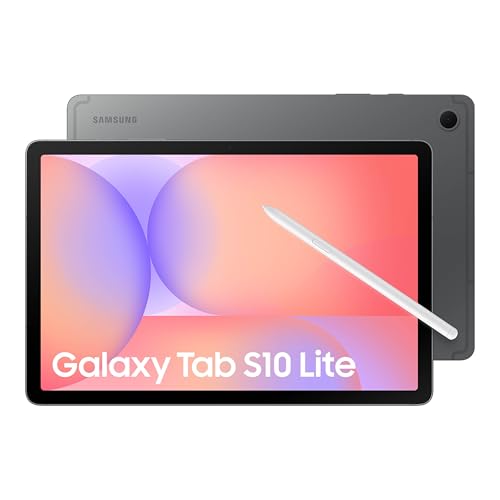
- Includes S Pen for precise writing and drawing
- MicroSD expansion supports up to 2TB storage
- Long manufacturer-rated battery life up to 16 hours
- Slim profile at 0.26 inches thick
Cons
- Standard LCD panel instead of premium display technology
- Demanding mobile gamers and power users should skip it

Pros
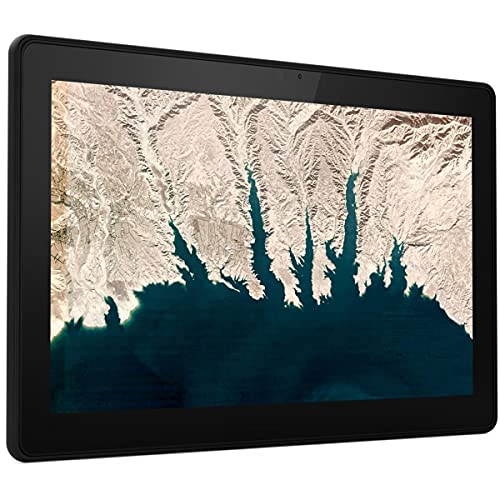
- Crisp 10.1-inch 1080p Full HD screen
- Expandable storage up to 1 TB via microSD
- Durable build using strengthened aluminosilicate glass
- Built-in parental controls through Amazon Kids
Cons
- Compatible stylus pen sold separately
- May arrive in generic Amazon packaging
- Amazon Kids+ content requires paid subscription

Pros
- Rugged IP68 and IP69K water and dust resistance
- Smooth 8.68-inch 120Hz display with 600-nit brightness
- Large 7200mAh battery with 18W USB-C charging
- Built-in rear camping light and 50MP camera
Cons
- Noticeably thick 0.6-inch profile and 1.19-pound weight
- Users wanting an ultralight casual tablet should skip it

Pros
- Hot-swappable dual-battery setup avoids work interruptions
- High-brightness 650-nit display aids outdoor visibility
- User-accessible M.2 slot supports easy SSD upgrades
- Certified IP65 and MIL-STD-810G rugged build
Cons
- Intel N5100 CPU limits demanding multitasking performance
- Modest 128GB base storage requires early upgrade
- Skip if your workflow requires intensive desktop software
Pros
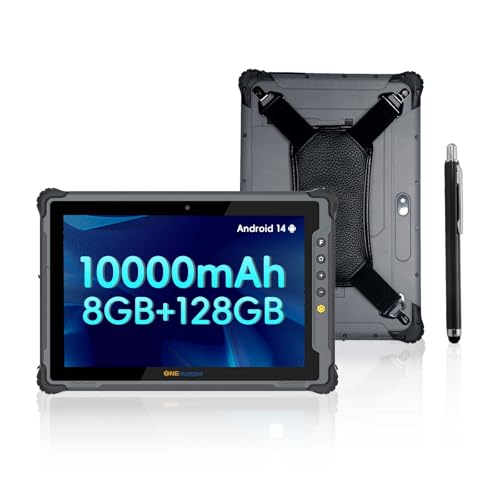
- High-brightness 1000-nit display for outdoor legibility
- User-swappable 10000mAh battery extends uptime
- Certified MIL-STD-810H shock and IP65 dust-water resistance
- Built-in 4G LTE connectivity and GPS navigation
Cons
- Heavy 2.25-pound weight causes fatigue during handheld use
- Thick 0.87-inch chassis lacks everyday consumer portability
Key Factors for Best Tablet for Streaming
Display Panel Quality and Resolution
Screen size dictates viewing comfort during long media sessions. Panels with 1080p resolution or higher preserve fine image detail in high-definition video streams. Dim screens wash out under direct sunlight, while displays with adaptive lighting maintain visibility. Samsung Galaxy Tab S10 Lite uses 10.9-inch screen with Vision Booster technology for environment-based brightness tuning. Amazon Fire HD 10 features 10.1-inch 1080p screen built with aluminosilicate glass. Buyers seeking portable video devices must verify native resolution matches preferred video quality standards.
Battery Life and Recharging Support
Continuous video decoding consumes considerable electrical energy. Tablets delivering long operational runtime prevent interruptions during travel. Samsung Galaxy Tab S10 Lite documentation states up to 16 hours of battery operation, paired with Super Fast Charging requiring roughly two hours for full recovery. High endurance reduces reliance on wall outlets, while fast recharging minimizes downtime between sessions.
Processor Performance and Memory Capacity
Streaming platforms require sufficient system memory to prevent interface stuttering, frame drops, and application crashes. Fast system processors load content directories smoothly and support background tasks. Samsung device contains Exynos 1380 processor paired with 6GB RAM, handling simultaneous multitasking alongside media playback. Amazon model includes octa-core processor with 3GB or 4GB RAM configuration. Extra memory capacity keeps playback responsive when switching between media apps.
Storage Expansion for Offline Viewing
Downloaded content fills internal solid-state memory rapidly. Streaming services allow offline caching for flights, road trips, or areas without network connectivity. Samsung Galaxy Tab S10 Lite offers 128GB baseline storage with microSD card expansion up to 2TB. Amazon Fire HD 10 provides 32GB baseline storage with microSD expansion up to 1TB. Devices supporting expansive card slots eliminate need to delete media files continuously.
Operating System and Software Ecosystem
Platform ecosystem controls app availability and overall hardware versatility. Reviewing tablet vs laptop trade-offs highlights distinct operating advantages of mobile operating systems. Android-based Samsung software provides access to Google Play Store alongside native multitasking tools. Amazon Fire OS centers directly around Amazon media services and proprietary app store. Shoppers requiring specific productivity tools alongside entertainment should weigh platform flexibility against pure media viewing.
How We Evaluated These Devices
Evaluation relies on documented manufacturer specifications, vendor technical sheets, and available hardware details. Assessment examines declared processor configurations, display technologies, storage capacity, and battery ratings without hands-on testing. Analysis compares relative platform value, physical dimensions, and utility profiles based on public product data.
Which Option Fits Your Needs?
Shoppers wanting multifunction media hub with strong productivity features should choose Samsung Galaxy Tab S10 Lite, 6GB RAM, 128GB. Model provides 10.9-inch display, included S Pen stylus, Circle to Search tools, 6GB RAM, and 2TB microSD expansion capacity. Trade-off: Higher hardware cost than basic streaming tablets. Who should skip it: Buyers wanting strictly inexpensive playback screen for occasional bedside viewing without productivity accessories.
Budget-minded buyers prioritizing entertainment and smart home utility should select Amazon Fire HD 10 tablet, built for relaxation. Hardware provides 10.1-inch 1080p screen, durable aluminosilicate glass, Alexa voice integration, and certified refurbished pricing value. Trade-off: Fire OS software restricts native Google Play Store access out of box. Who should skip it: Users requiring advanced multitasking capabilities, professional creative apps, or desktop-level mobile productivity.
For additional device comparison, see tablet vs iPad differences or check tablet vs chromebook when weighing dedicated media tablets against browser-driven laptops.
Frequently Asked Questions
What screen resolution works best for tablet video streaming?
Full HD 1080p resolution provides sharp visual clarity on screens between 10 and 11 inches. Lower resolutions cause visible pixelation during detailed scenes, while higher resolutions demand faster internet connections and consume extra battery power.
Can media tablets download movies for offline viewing?
Yes. Mainstream streaming platforms permit saving movies directly to internal memory or installed microSD expansion cards. Expanding storage via memory card allows storing extensive video libraries during travel without internet access.
How much RAM does streaming tablet require?
Basic streaming requires minimum 3GB RAM for standard interface navigation. Units with 4GB to 6GB RAM switch between applications faster, eliminate interface lag, and keep background tasks stable during playback.
Does Amazon Fire tablet support standard streaming services?
Amazon Appstore carries major streaming services including Prime Video, Netflix, Disney+, and Hulu. However, select third-party Google applications may require specialized workarounds due to Fire OS operating system boundaries.
Are stylus pens necessary for video streaming tablets?
Stylus hardware offers zero direct impact on video playback quality. Digital pens benefit note-taking, sketching, and navigation, but pure media consumption relies entirely on screen specifications, speaker output, and battery capacity.
How does tablet durability impact family media use?
Tablets featuring strengthened aluminosilicate glass resist accidental drops better than unprotected displays. Households sharing media devices among younger users should examine child-friendly tablets featuring specialized protective bumpers.


Write Your Review
No reviews yet. Be the first to share your experience!