

Phone conversations over Bluetooth frequently suffer from wind interference, muffled speech, and background chatter. Finding the best wireless earbuds for calls involves weighing microphone isolation against wearing comfort, especially if you take meetings while moving outdoors or working in loud spaces.
Different designs serve different daily routines. You might need secure ear hooks for outdoor runs, or long battery reserves for back-to-back phone meetings. This guide evaluates key design choices across the wireless earbuds category to help you choose a dependable model for your voice calls.

Pros
- Flexible earhooks ensure secure fit during exercise
- Up to 80 hours total playback time
- Case supports wireless and USB-C charging
- Physical buttons prevent accidental touch activation
Buying Considerations for Best Wireless Earbuds for Calls
Microphone Noise Filtering and Voice Pickup
Microphone design directly affects how clearly the other party hears your voice. Dual-microphone arrays use one mic to capture speech and a secondary mic to sample environmental sounds. The internal chip then subtracts ambient background noise from the transmission signal so your voice stays distinct.
Without adequate ambient noise reduction, wind or traffic noise quickly overpowers your words. The GOLREX Active Noise Cancelling Ear Buds use dual-mic processing to help preserve natural speech tones even when you move through noisy environments. If you take calls in busy rooms, check out our guide to the best noise cancelling earbuds for open office spaces.
Active Noise Cancellation and Transparency Modes
Hearing the caller clearly matters just as much as speaking clearly. Active noise cancellation uses outward microphones to detect external noise and create inverse sound waves to silence distractions. For instance, four-layer systems can reduce ambient noise levels by up to 50dB to keep calls audible on trains or flights.
Isolation can become a safety hazard if you walk near street traffic. A reliable transparency mode solves this by feeding surrounding sounds back through the ear speakers. This lets you hear approaching cars or flight announcements without taking the buds out of your ears.
Battery Endurance and Charging Flexibility
Voice calls draw steady power because the microphones and transmission radios run continuously. Standard playback times often drop slightly during active call sessions, so having a high-capacity charging case prevents unexpected shutdowns during long workdays. Quick-charge support is equally useful, giving you a couple of hours of talk time from a brief ten-minute charge.
Case design also influences everyday convenience. Look for dual digital battery readouts that show the exact remaining charge for both the case and the individual earpieces. Models that support both USB-C and wireless charging pads make keeping your audio gear powered throughout the week simple.
Physical Button Controls vs. Touch Sensors
Control styles shape how smoothly you manage conversations on the go. Capacitive touch sensors look modern, but they often register unintended taps when you adjust your fit, wear a winter hat, or sweat during exercise. Accidental touches can mute a call or hang up on a client without warning.
Physical click buttons require deliberate pressure, providing tactile feedback when answering calls, adjusting volume, or muting. If you handle regular calls during workouts or outdoor chores, tactile buttons eliminate false inputs caused by damp fingers. For other active options, explore our guide to the best wireless earbuds for working out.
Fit Stability and Ear Hook Construction
A stable acoustic seal keeps internal drivers aligned with your ear canal, maintaining call clarity and rich sound from 13mm dynamic drivers. Traditional stem designs rest inside the concha and can loosen when your jaw moves while speaking, degrading audio quality and voice reception.
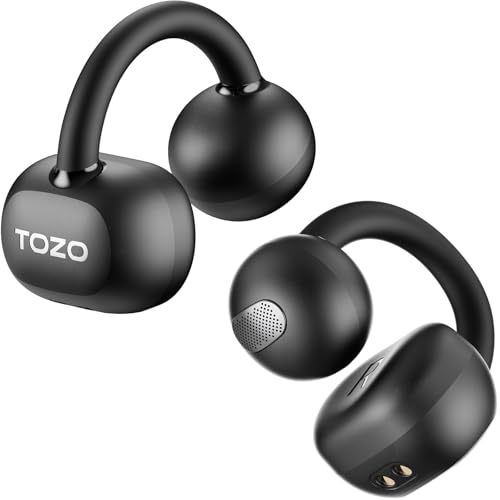
Flexible ear hooks wrap around the outer ear to distribute weight evenly and prevent shifting. This style works well for users who pace during calls or take meetings while running. If you want more tips on voice-first choices, read our guide to the best wireless earbuds for phone calls.
How We Evaluated These Products
Our review process relies on analyzing manufacturer specifications, published technical documentation, and verified buyer feedback. We evaluated microphone configurations, advertised noise reduction ratings, battery capacities, driver sizes, and control ergonomics to provide practical guidance without relying on manufacturer hype.
Which Option Fits Your Needs?
For active users and runners taking calls on the move, the Active Noise Cancelling Ear Buds provide reliable physical stability. The flexible ear hook design prevents loosening during intense motion, while the dual-microphone system suppresses outdoor noise. Physical button controls also stop sweat from triggering accidental hang-ups.
For long-shift workers and frequent travelers, the Active Noise Cancelling Ear Buds offer expansive battery capacity. The 600mAh charging case delivers up to 80 hours of total playback, supported by a dual LED power display and wireless charging. The 50dB active noise cancellation helps quiet loud transit noise so incoming voices stay clear.
Pros include secure ear hook ergonomics, physical button controls, dual-mic voice clarity, fast top-ups, and wireless charging support. Cons include a bulkier charging case than typical stem-style designs. Who should skip it: Buyers looking for a tiny, pocket-friendly case to slip into tight business attire should skip over-ear hook models.
Frequently Asked Questions
How do dual microphones improve call clarity?
Dual microphones separate your speech from surrounding background noise. One microphone stays focused on capturing your vocal frequencies, while the other monitors environmental sounds. Digital processing compares both inputs and suppresses the ambient sounds so your voice transmits cleanly.
Does active noise cancellation work on your outgoing voice?
No, active noise cancellation primarily silences incoming background sounds for your own listening comfort. Clear outgoing speech relies on environmental noise cancellation algorithms and microphone positioning to filter out background clatter for the person on the other end of the line.
Why are physical buttons preferred over touch sensors for phone calls?
Physical buttons provide positive tactile feedback and require deliberate pressure to click. This prevents accidental disconnections, unintended muting, or erratic volume shifts when adjusting the earpieces with wet hands or while wearing gloves.
How does transparency mode improve safety during outdoor calls?
Transparency mode uses external microphones to pass ambient sounds through to the speakers alongside call audio. This allows you to stay aware of vehicle traffic, pedestrians, and public transit announcements without having to pause your conversation or remove the earbuds.
Can over-ear hook earbuds be worn comfortably with glasses?
Flexible ear hooks made from soft silicone are designed to bend around the ear cartilage alongside thin eyeglass frames. However, users wearing thick plastic glasses may notice slight pressure behind the ears during extended conversations.
What charging features should I look for in an earbud case?
Look for cases offering quick-charge capabilities, such as gaining two hours of playback from a ten-minute charge. Real-time battery display screens showing exact percentages and Qi wireless charging pad compatibility also make daily power maintenance much simpler.




Write Your Review
No reviews yet. Be the first to share your experience!