

Standard earbuds often cause sharp cartilage pain or slip out of narrow ear canals entirely. Bulky acoustic nozzles stretch delicate ear tissue, while heavy enclosures create pressure points during everyday movement. Listeners with smaller anatomy need compact shells that rest comfortably inside tight spaces, or non-intrusive outer-ear designs that bypass the canal completely.
This guide compares 4 designs from JLab, TOZO, TRAUSI and more to help you identify the best wireless earbuds for small ears. We evaluate ear tip sizing, physical stability, driver placement, and battery stamina so you can listen comfortably without constant adjustments.

Pros
- Over 35 hours of total battery life
- Three onboard EQ presets via touch
- Independent earbud use with Dual Connect
- Backed by two-year warranty
Cons
- Conflicting water resistance ratings in product data
- Skip if needing advanced audio codec support

Pros
- Generous 75-hour total battery life with digital display
- IPX7 water resistance protects against sweat and rain
- Ergonomic ear hooks ensure secure stability during exercise
- Bluetooth 5.3 provides reliable low-latency wireless connections
Cons
- Noise cancellation applies to calls rather than media listening
- Ear hook profile is less discreet than standard earbuds

Pros
- 80-hour total playback with charging case
- IPX7 waterproof rating resists sweat and rain
- Earhooks provide secure fit for workouts
- Bluetooth 5.4 offers fast pairing
Key Buying Criteria for the Best Wireless Earbuds for Small Ears
Nozzle Diameter and Ear Tip Sizing
Wide sound nozzles force narrow canals open, which creates immediate pressure points. When shopping for in-ear pairs, prioritize models that supply multiple tip sizes, especially extra-small options. A proper seal keeps audio clear while stopping ambient noise from leaking in. To learn more about passive isolation, explore our guide on the best wireless earbuds for noise cancelling.
Open-Ear Clips Versus In-Ear Stems
Standard in-ear stems sit directly in the canal, which creates friction when your ear cavity runs narrow. Clip-on designs bypass inner-ear entry entirely by resting on the outer cartilage via flexible silicone connectors. The trade-off involves noise isolation: clips allow you to hear your surroundings and may leak sound at higher volumes, whereas sealed in-ear buds block ambient chatter but risk canal irritation.
Shell Profile and Cartilage Fatigue
Large internal speakers need wide shell casings. These bulky bodies press firmly against the concha bowl, causing soreness after thirty minutes of continuous wear. Smaller enclosures sit flush against your outer ear folds, allowing the buds to stay seated when you walk or talk. Always verify the overall shape of the earbud housing to prevent long-term pressure on delicate tissue.
Outer-Ear Hooks for Physical Activity
Narrow canals often push smooth earbud bodies out during jaw movement or running workouts. Flexible over-ear hooks shift the holding burden away from the inner canal to the base of your ear, keeping the audio port properly aligned. If you want to see how secure fits support training, check our breakdown of the best wireless earbuds for working out.
Control Schemes and Accidental Inputs
Smaller ears require occasional readjustments of the earpieces. Overly sensitive capacitive touch sensors can mistake a quick adjustment for a command, skipping your song or disconnecting a call. Recessed touch surfaces or responsive tactile buttons help prevent these misfires. For broader context on connection designs, consult our true wireless earbuds vs wireless earbuds comparison.
How We Evaluated These Earbuds
Our editorial assessment relies on verified technical documentation, manufacturer design specifications, and published user feedback. We evaluated housing dimensions, single-earbud weights, Bluetooth codec standards, and charging case profiles to determine how well each model accommodates smaller listener anatomy. This research focuses on real-world usability and verified features to provide objective purchasing guidance.
Which Option Fits Your Needs?
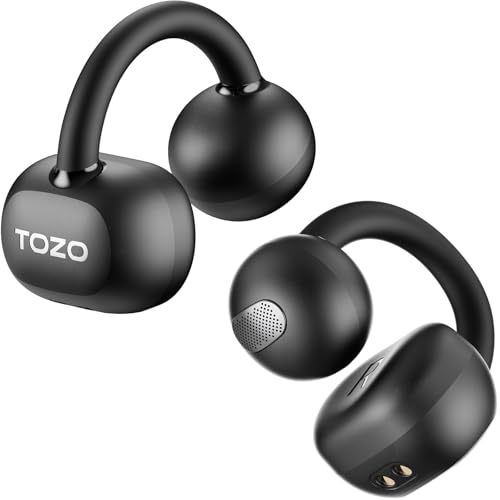
If you experience sharp canal soreness from traditional tips, consider the TOZO OpenEarRing Open Ear Earbuds 40H Bluetooth. Each earbud weighs only 5.1 grams and uses a clip design that rests gently on the outer cartilage. This model includes Bluetooth 5.4, 32 customizable app presets, and up to 40 hours of playtime with the digital display case. Pros include complete canal comfort, open environmental awareness, and a design that sits smoothly alongside eyeglasses. Cons include acoustic sound leakage in quiet rooms and reduced low-end presence in noisy traffic. Who should skip it: Commuters on loud trains who need sealed, passive sound isolation.
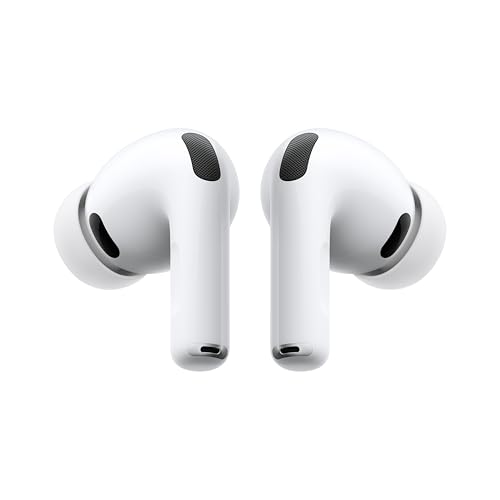
For budget-focused daily listening in a compact footprint, look at the JLab Go Air Pop+ Earbuds, Dual Connect, EQ3 Sound. These small in-ear shells tuck neatly into small concha spaces without stretching your ear cartilage. They provide over 35 total hours of playback, an IPX4 sweat resistance rating, and built-in EQ presets. Pros include an ultra-compact charging case, independent single-bud use, and three silicone tip options. Cons include touch controls that require careful handling during re-seating and the absence of physical stability hooks. Who should skip it: High-impact runners who need mechanical ear loops for vigorous workouts.
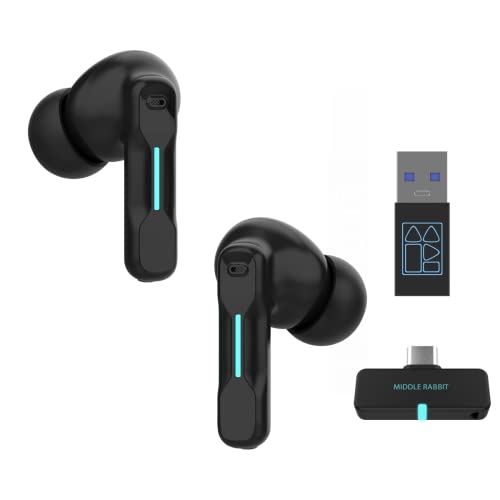
If you need maximum workout stability without wedging buds tightly into your canals, choose the Wireless Earbuds, Sports Bluetooth Headphones. They feature flexible TPE hooks that wrap around the outside of your ear, alongside an IPX7 waterproof rating and up to 75 hours of case reserve. You can also review our guide on the best wireless earbuds for calls to compare microphone features. Pros include an immovable physical hold, clear LED case power meters, and three included tip options. Cons include a larger charging case and a bulkier visible profile on your ears. Who should skip it: Office listeners looking for a discreet, low-profile design.
Frequently Asked Questions
Why do standard wireless earbuds constantly fall out of small ears?
Small canals often reject ear tips designed for average adult dimensions. The natural spring of the ear cartilage slowly pushes oversized silicone tips outward, breaking the acoustic seal. In addition, when the outer shell is too wide for your concha bowl, the weight levers the earbud out during head turns or jaw movement.
Are clip-on open earbuds effective for narrow canals?
Clip-on designs work very well because they avoid entering the ear canal completely. A flexible bridge clamps gently around the outer helix, positioning the speaker port right outside the opening. This layout removes internal pressure points while keeping you aware of traffic and office conversations.
Can changing ear tips improve stability?
Switching to extra-small silicone or soft aftermarket foam tips can significantly improve comfort. Foam compresses before insertion and gently expands to match your canal shape, exerting less lateral pressure than stiff silicone. Always make sure replacement tips match the nozzle diameter of your earbuds before purchasing.
Does driver size influence outer-ear fatigue?
Large dynamic drivers measuring 12 millimeters or wider require larger outer shells. In smaller ears, these bulky casings press directly against the antihelix cartilage, causing dull aches after short listening sessions. Choosing smaller internal parts or open-ear styles helps prevent this soreness.
Do over-ear hooks interfere with eyeglasses?
Thick sports hooks can sometimes crowd the area behind your ear where glasses frames rest. However, lightweight clip-on models and streamlined flexible hooks are specifically contoured to sit flush against the ear fold without pushing against your temple arms.
What water resistance rating is suitable for workouts?
An IPX4 rating provides reliable protection against light sweat and splashes during gym use. If you train outdoors in heavy rain or sweat heavily, stepping up to an IPX7 rating provides deeper moisture sealing to protect internal electronic circuits from liquid damage.


Write Your Review
No reviews yet. Be the first to share your experience!