

Intense workouts demand audio gear that stays secure when sweat builds up. Loose earbuds break concentration, while bulky designs cause ear canal fatigue during high-impact movement. Choosing the best wireless earbuds for working out requires matching earbud shape, water protection, and ambient sound control to specific exercise environments.
Different training styles create conflicting gear priorities. Gym lifting favors heavy noise isolation, yet outdoor distance running requires open awareness of road traffic. This guide evaluates physical stability, moisture defense, and control styles across 6 options from Beats, Bose, TOZO and more.

Pros
- Secure earhooks keep earbuds in place during workouts
- Charging case dual LED display shows exact battery percentage
- IPX7 waterproof rating resists intense sweat and moisture
- Offers up to ninety hours of total playtime
Cons
- Earhook style is bulkier than stem-only earbuds
- Listeners seeking compact discreet profiles should skip them

Pros
- Secure flexible wingtips provide a stable workout fit
- Apple H1 chip enables fast device switching and Siri
- Active Noise Cancelling and Transparency modes included
- Compact case extends playback up to 24 hours
Cons
- USB-C power adapter sold separately
- Swimmers should skip due to splash-only IPX4 rating

Pros
- Strong active noise cancellation for daily commutes
- Up to 8.5 hours of playback per charge
- Bluetooth multipoint supports seamless device switching
- Multiple eartip and band sizes ensure secure fit
Cons
- IPX4 rating resists splashes, not water submersion
- Swimmers and heavy water users should skip these

Pros
- Secure earhook design stays stable during intense exercise
- Integrated heart rate monitoring eliminates separate fitness straps
- Up to 45 hours total playback with Qi case
- Active noise cancelling with ambient transparency modes
Cons
- USB-C charging cable sold separately
- IPX4 rating resists splashes but lacks full submersion waterproofing
- Casual listeners wanting small pocketable cases should skip it

Pros
- Generous 75-hour total battery life with digital display
- IPX7 water resistance protects against sweat and rain
- Ergonomic ear hooks ensure secure stability during exercise
- Bluetooth 5.3 provides reliable low-latency wireless connections
Cons
- Noise cancellation applies to calls rather than media listening
- Ear hook profile is less discreet than standard earbuds
Buying Guide: Choosing the Best Wireless Earbuds for Working Out
Earbud Retention and Physical Stability
Physical retention dictates whether earbuds survive burpees, box jumps, or sprint intervals. Traditional ear tips rely entirely on canal pressure, which fails once sweat loosens friction. Over-ear hooks distribute weight across cartilage, locking drivers into position without increasing ear canal fatigue. Wingtip fins rest under ear ridges, providing balance between everyday wear and workout stability. Clip-on open formats grip outer ear folds, making them ideal for athletes who wear glasses. If standard stems constantly fall out during plyometrics, check specialized sports earbuds with dedicated hook systems.
Water and Moisture Protection Ratings
Sweat contains salt that corrodes delicate acoustic components. Ingress protection ratings mark how well casings keep liquid out. Ratings of IPX4 resist splashing water and everyday sweat drops. Heavy sweaters or outdoor runners facing unexpected downpours need IPX7 ratings, which withstand immersion up to one meter. Note that water resistance ratings cover fresh water exposure, not high-pressure showers or soapy gym steam rooms. Always dry charging contact pins before returning buds to their case to prevent electrical corrosion.
Noise Isolation Versus Outdoor Awareness
Loud gym environments clash with outdoor running safety. Active noise cancellation cuts low-frequency engine drone and gym soundtrack clutter, helping athletes focus during heavy lifts. Conversely, runners sharing roads with vehicles must maintain situational awareness. Open-ear designs leave canals unblocked so environmental sounds pass through naturally. Many in-ear models include transparency modes that pipe outside noise through microphones. Choosing between isolation and pass-through sound determines your safety profile across different workout settings.
Control Types: Tactile Buttons Versus Touch Sensors
Sweaty fingers and sudden head movements create control issues during training. Capacitive touch panels misread droplets as input, causing accidental pauses or skipped tracks mid-stride. Physical click buttons require deliberate pressure, ensuring reliable track changes when wearing lifting gloves or running in rain. If your routines involve intense moisture or winter glove use, prioritize physical rocker switches or firm tactile buttons over touch-sensitive surfaces.
Battery Longevity and Quick-Charging Capability
Workout earbuds need sufficient endurance so drained cells never delay training. Single-charge battery life ranges from six to ten hours among top models. Storage cases supply multiple reserve charges, pushing total runtime past forty hours. Fast-fuel features provide up to two hours of playback from five to ten minutes in charging docks, solving forgotten charge situations right before departure. You can learn more about case power reserves in our true wireless guide.
How We Compared These Products
We evaluated each option using manufacturer specifications, hardware blueprints, and customer feedback patterns. Analysis focused on mechanical retention designs, IP moisture ratings, battery reserve capacities, and Bluetooth transmission stability across mobile operating systems.
Which Option Fits Your Needs?
High-intensity cross-training demands absolute stability and advanced biometrics. For dedicated athletes wanting tracking alongside music playback, choose Beats Powerbeats Pro 2 – Wireless Noise Cancelling. Integrated optical sensors measure pulse rates right from ear tissue, while Apple H2 processing enables adaptive noise cancellation. Pros include rock-solid ear hooks, heart rate monitoring, and Qi wireless charging. Cons include high purchase cost and bulky case dimensions. Who should skip it: Budget shoppers or buyers wanting tiny pocket cases.
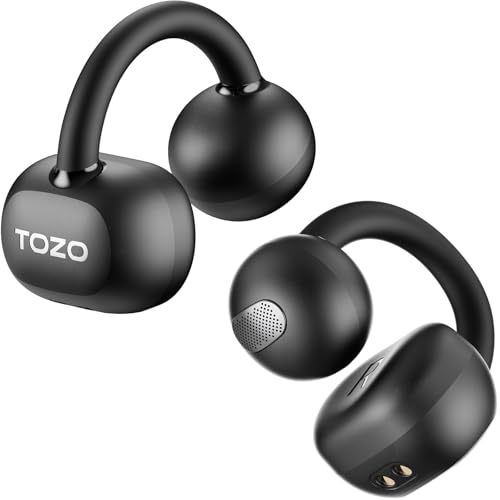
Road runners needing total awareness without canal pressure should select TOZO OpenEarRing Open Ear Earbuds 40H Bluetooth. Featherweight 5.1-gram clip construction leaves ear canals clear, allowing traffic sounds in while preventing ear fatigue. It contours around glasses temples cleanly. Pros include pressure-free comfort, glasses compatibility, and 40-hour total battery reserve. Cons include lack of noise isolation and reduced bass presence in loud traffic. Who should skip it: Weightlifters seeking to block noisy gym speakers.
Sweaty gym sessions on strict budgets point toward Active Noise Cancelling Ear Buds Wireless Earbuds. Strong IPX7 waterproofing protects circuitry against moisture inundation during high-output sessions. Physical control buttons eliminate accidental touches caused by sweat drips. Pros include certified waterproof protection, 90-hour total reserve with digital power readouts, and tactile controls. Cons include basic microphone quality and larger ear hook housing. Who should skip it: Commuters wanting discreet, minimal earbud profiles.
Frequently Asked Questions
Will sweat ruin standard wireless earbuds?
Earbuds lacking official IPX ratings risk damage from sweat salts and moisture. Select models carrying at least IPX4 certification for basic sweat resistance, or IPX7 for heavy perspiration and outdoor rain.
Are open-ear earbuds secure enough for running?
Open-ear clip styles clamp outer ear cartilage gently using elastic silicone bridges. They stay firmly in position during distance running while keeping canals clear for safety, though ear hook styles offer greater retention for rapid plyometric jumps.
How do ear hooks compare to wingtips for exercise stability?
Over-ear hooks wrap outer ears entirely, providing maximum mechanical grip during aggressive movement. Wingtips tuck into upper ear cartilage, offering secure hold within smaller, more pocket-friendly earbud shells. Athletes with smaller cartilage folds can check our guide to wireless earbuds for small ears to compare retention options.
Can noise cancellation interfere with workout safety?
Active noise cancellation blocks low-frequency sounds effectively, making it safe inside gym weight rooms. Outdoor road runners should switch to transparency modes or open-ear designs to hear approaching traffic, bicycles, and emergency sirens.
Why do touch controls struggle during workouts?
Capacitive touch sensors detect electrical properties of human skin. Sweat droplets conduct electricity similarly, causing erratic track skips or volume changes. Physical buttons provide tactile resistance that ignores surface moisture completely.


Write Your Review
No reviews yet. Be the first to share your experience!